Finally! Large inventory of Fast & Furious 9 models

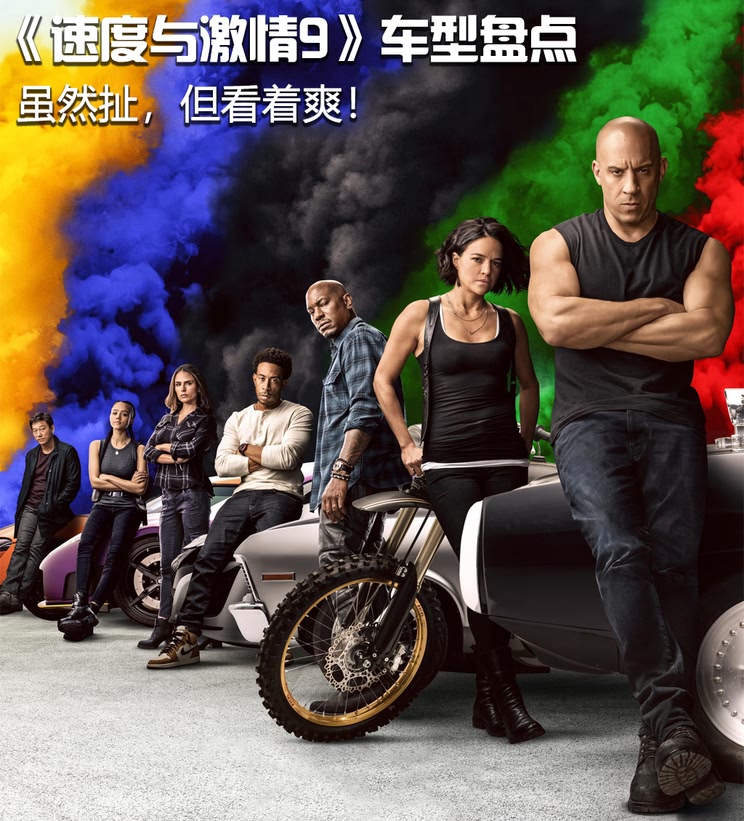
  [Appreciation of car home Movie Cars] Fast & Furious 9, who skipped the ticket several times because of the epidemic, was finally released today. As an old fan, I have finished watching it. Now I will give you an inventory of the key models appearing in Super 9. Still the same principle-try not to spoil it, lest the friends who haven’t had time to go to the cinema curse the street …
Home of the car


JEEP grand Cherokee SRT

Home of the car

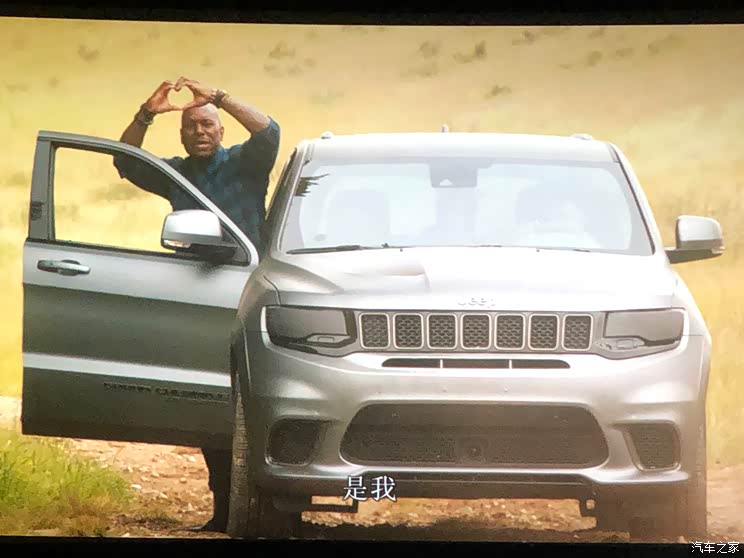
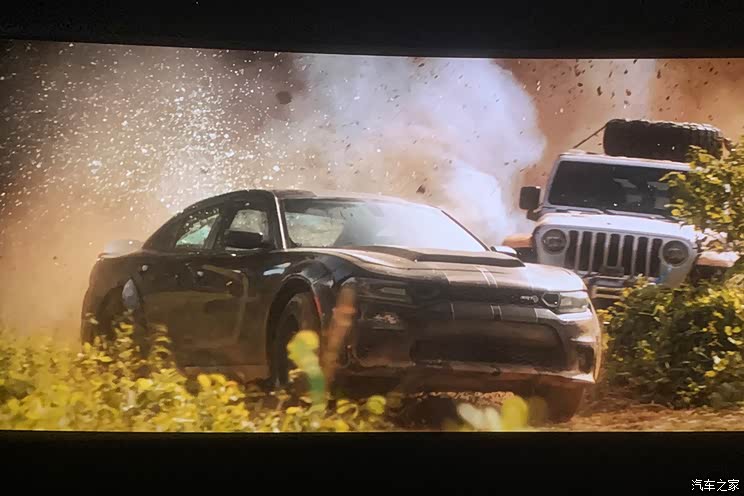
  At the beginning of the film, the most eye-catching vehicle turned out to be the 2017 Jeep Grand Cherokee SRT, and the poor Roman appeared in this SUV equipped with a 6.4LHEMI V8 supercharged engine. This car was once called "the strongest SUV", and the second generation model was introduced to the China market. The huge body comes with many high-performance configurations, coupled with the sound of a high-powered 8-cylinder supercharged engine, it is definitely a very typical American high-performance luxury SUV.
Home of the car

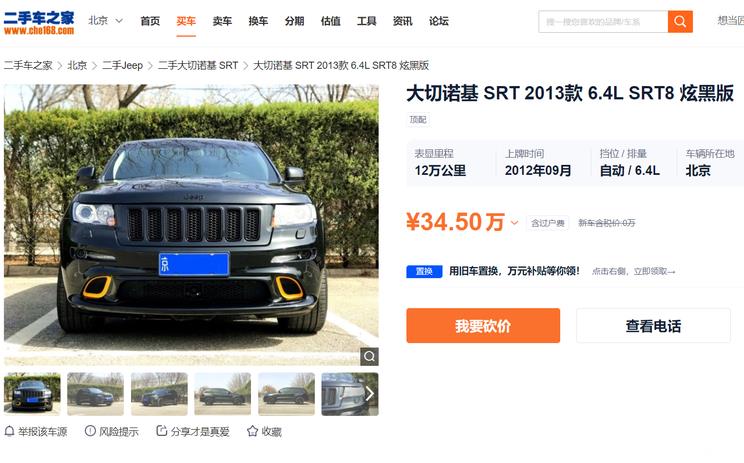
  There are very few versions of Grand Cherokee SRT introduced by parallel import in China. At present, there is only one car on the platform of used car home, which was licensed in 2012, with a mileage of 120,000 kilometers and a price of 345,000 yuan.

Dodge Charger SRT Hellcat Widebody
Home of the car

Home of the car

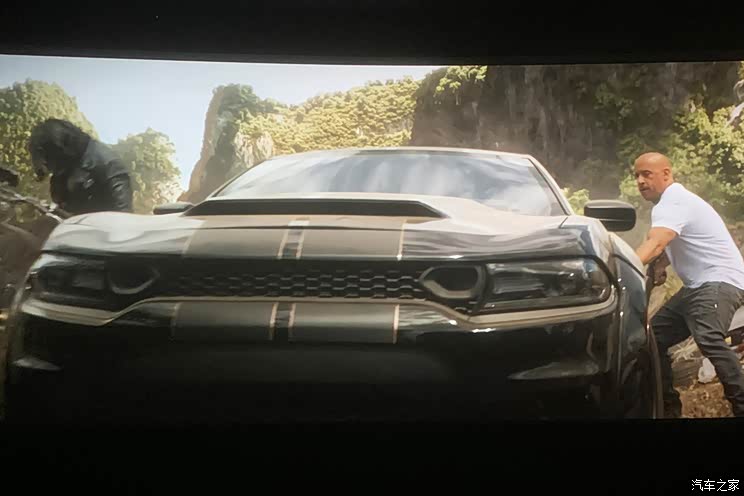
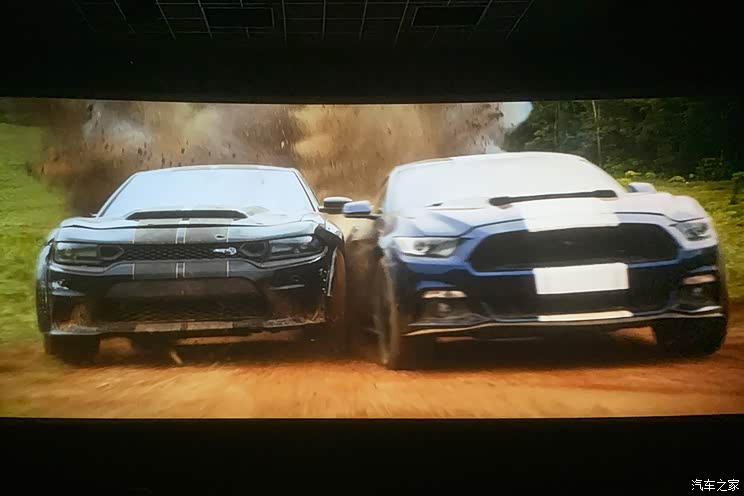
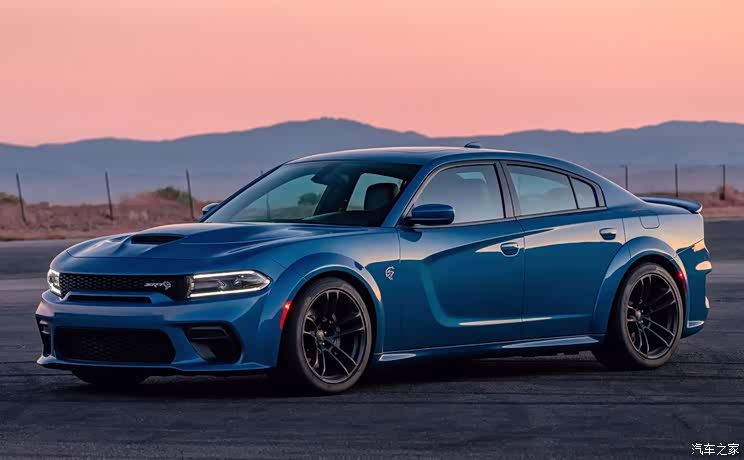
  In the opening car chase, Dom’s "work car" is a Dodge Charger SRT Hellcat Widebody. Unfamiliar friends should not underestimate this sporty car. It is equipped with a HEMI 6.2L supercharged engine with a maximum power of over 700 HP, equipped with a wide-body kit and a front 6-piston Brembo brake caliper … It is a veritable American sports car.
Home of the car

Home of the car

  Dodge Charger came out in 1964, and after five generations, it exists in a small number in China. Everyone is deeply impressed by the police car version of the fourth generation model. Charger is deeply loved by sports car consumers in the United States. The minimum configuration price starts from $30,000, and the maximum power of the charger equipped with a 3.6V6 engine is close to 300 horsepower.
Home of the car

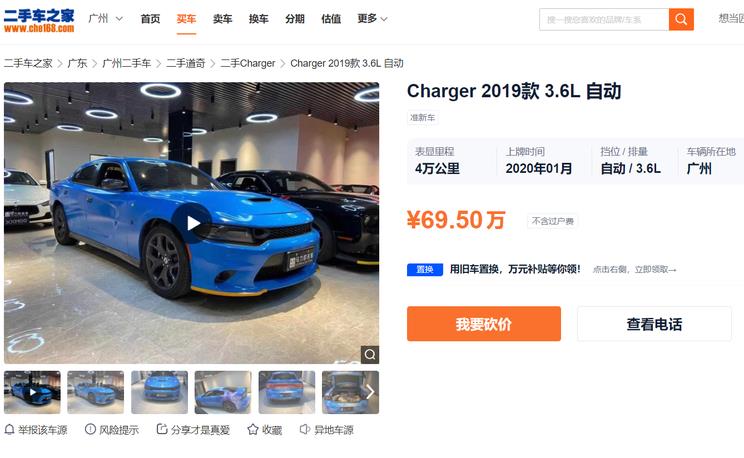
  Compared with its brother Challenger, Dodge Charger has a much smaller quantity in China, and most of them are introduced as 3.6L models. At present, new cars cannot be licensed in most first-and second-tier cities because of emissions. There is a car for sale on the platform of the used car house. It will be licensed in 2020, with a mileage of 40,000 kilometers and a price of 695,000 yuan.

Ford Mustang
Home of the car

Home of the car

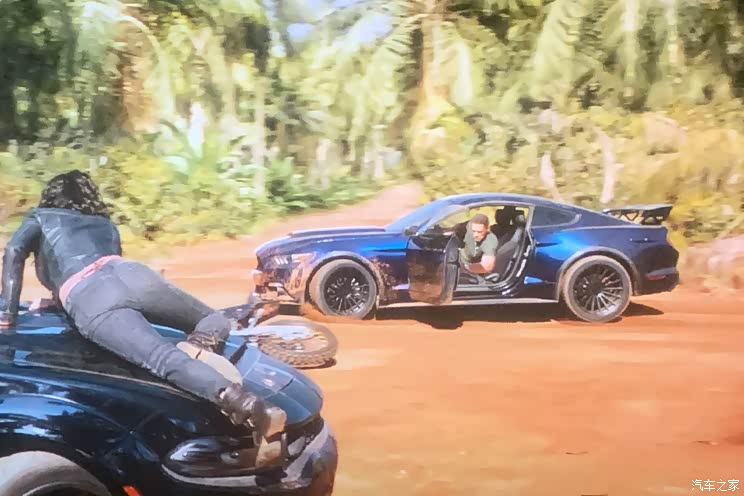
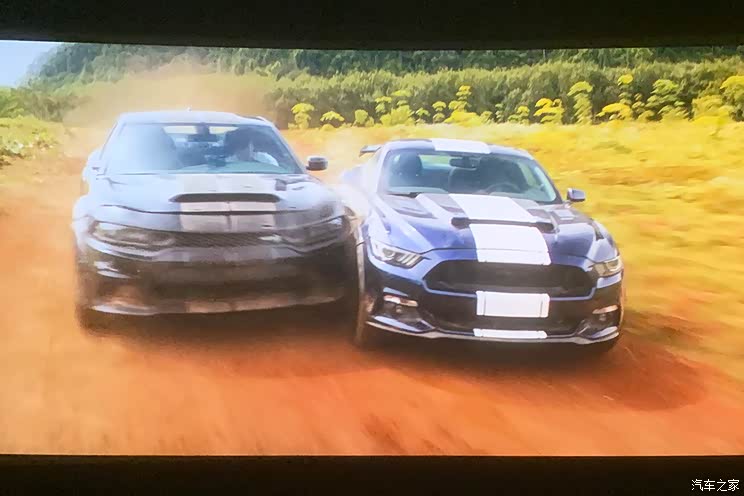
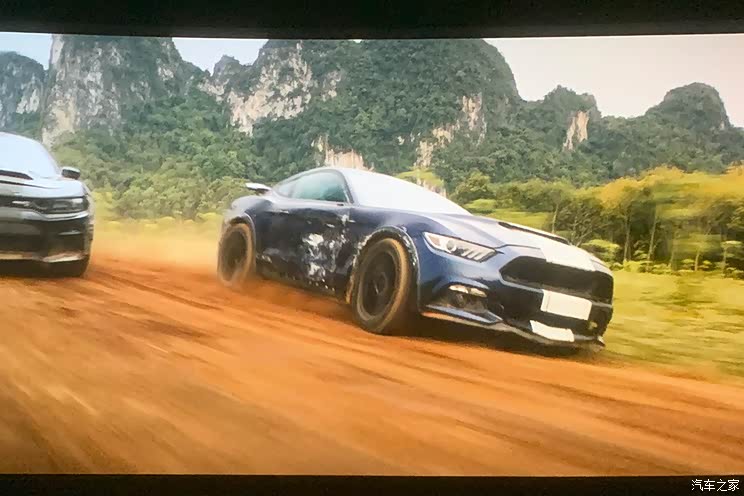
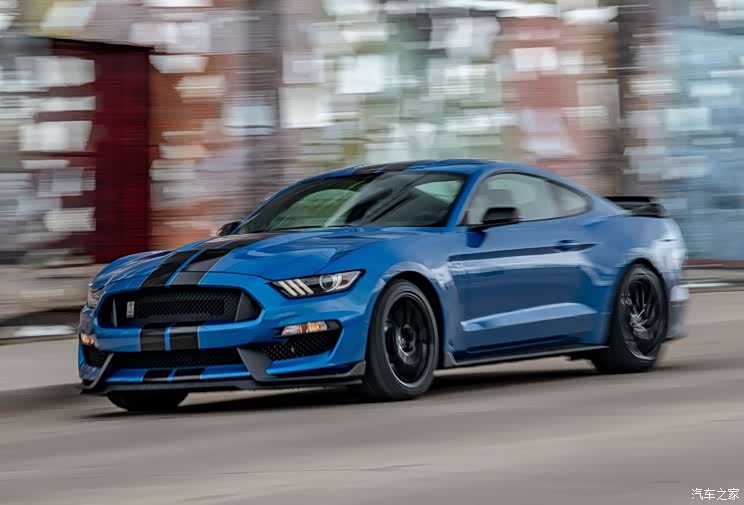
  As for Dom’s "rival" director, he is very good at choosing his car, a (|) GT350, which belongs to the same level of competition as Dom’s Dodge Charger. Everyone is still used to calling it "Wild Horse", and its reputation is much bigger than that of Charger. Born in the golden age of the United States (1960s), Ford Mustang became an instant hit after its listing. At that time, young Americans fell in love with this pony at once. It not only has the soul of a traditional large-displacement sports car, but also has a smaller body size, which makes consumers feel refreshed.
Home of the car

Home of the car

  The success of Ford Mustang made Ford see the future of this car, but by the third generation, Mustang’s design completely changed people’s impression and became the most unpopular Ford Mustang in history. After entering the 1990s, Mustang "returned" and gradually regained the trust of consumers, so that the fifth-generation model launched in 2005 instantly ignited the enthusiasm of fans, which can be said to be a brilliant generation of Ford Mustang after the first generation.
Home of the car

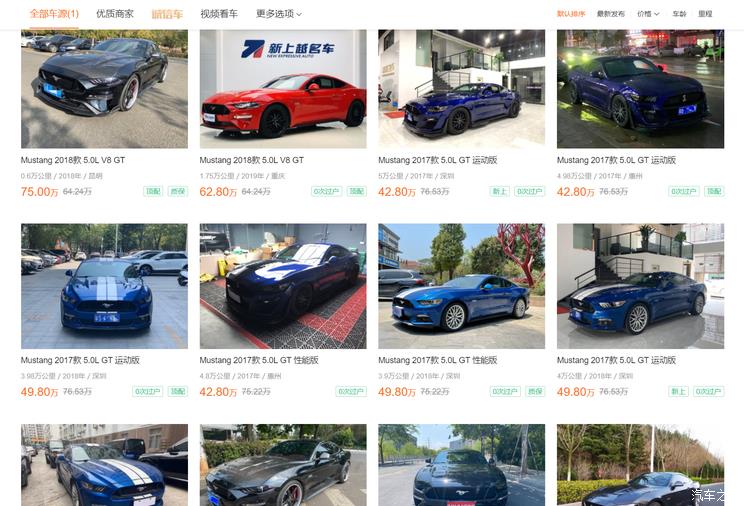
  The Ford Mustang GT350 with the same model in the film may not be easy to find in China, but there are still some models of V8 5.0L There are many listed on the platform of used car house, and the price is between 400,000 and 750,000 yuan according to different years. If you don’t consider the depreciation rate, you can buy a real V8 large-displacement American performance car for about 500,000 yuan, which is still very fragrant.

Yamaha YZ450F
Home of the car

Home of the car

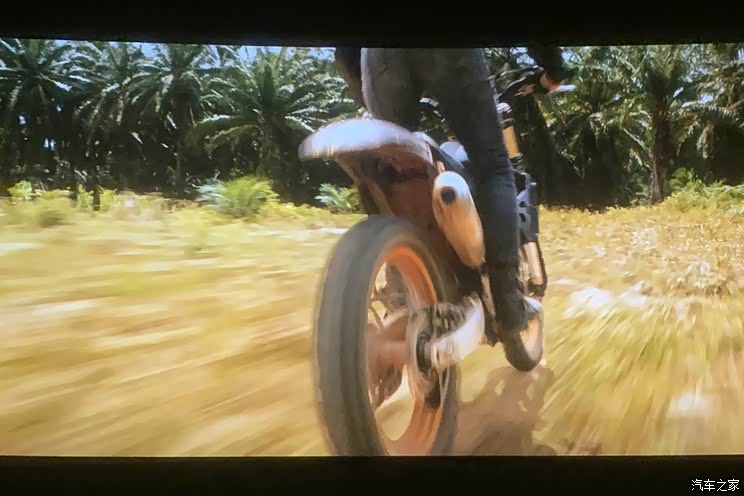
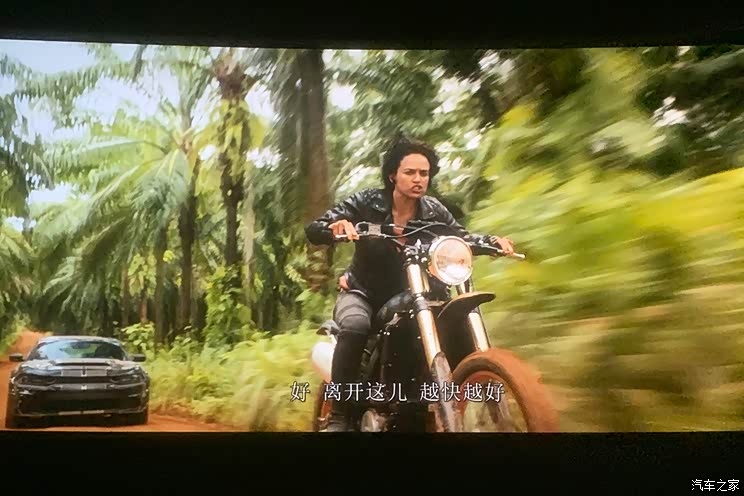
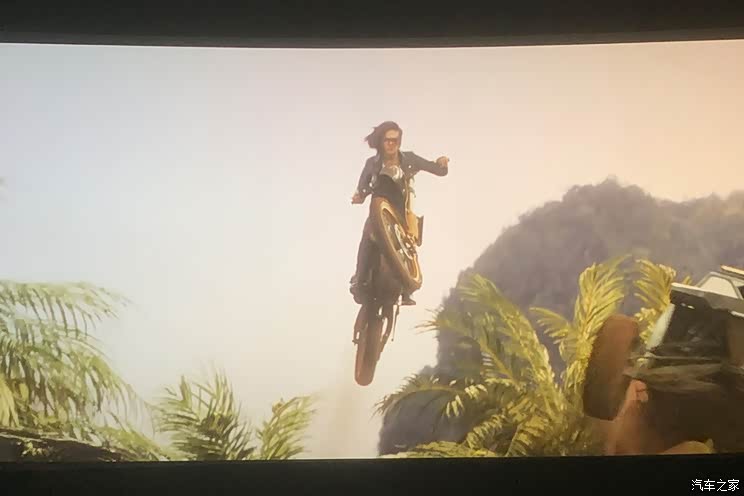
  The powerful heroine Letty Ortiz’s car in this episode is mainly a motorcycle. Not long after the beginning of the film, Letty rode on a Harley-Davidson sports series Iron 883 and left coolly. The real focus is a modified YZ450F, with the round headlights, short front tiles and seats changed, which makes this professional off-road vehicle go retro.
Home of the car

  Although the appearance of this car has been greatly modified in the play, it is still easy to distinguish that it is a YZ450F equipped with a 449cc water-cooled engine according to the golden front vibration damping (KYB) and the radiator tank and the rear fork in front of the fuel tank. Yamaha developed this four-stroke off-road vehicle in the late 1990s in order to compete against a 250cc two-stroke vehicle.

Jeep gladiator
Home of the car

Home of the car

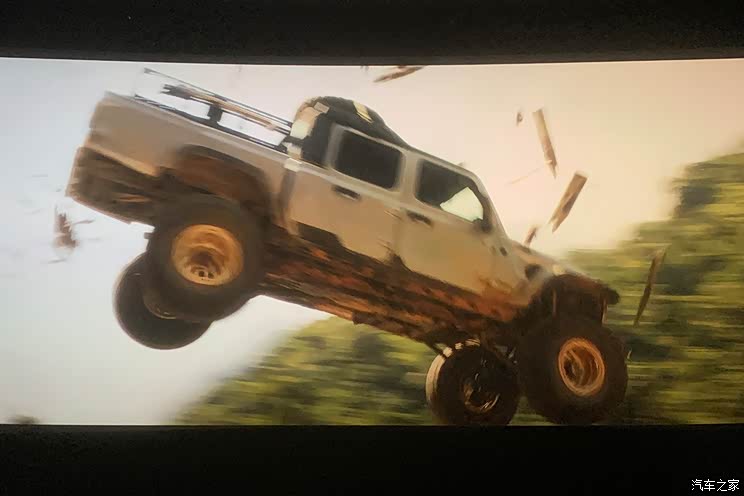
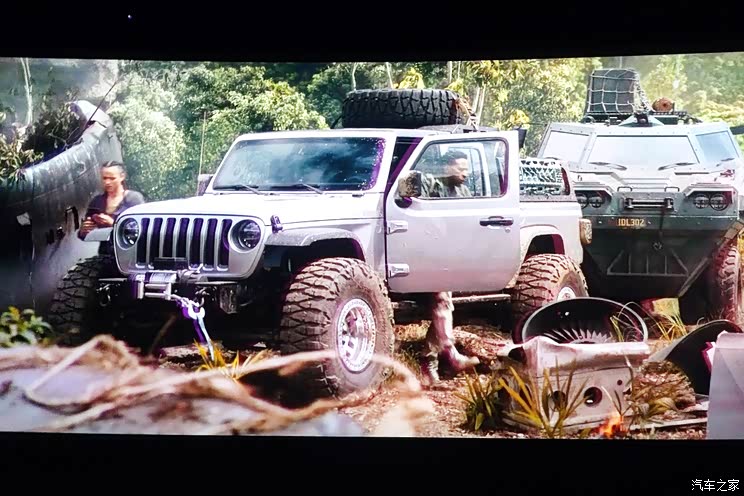
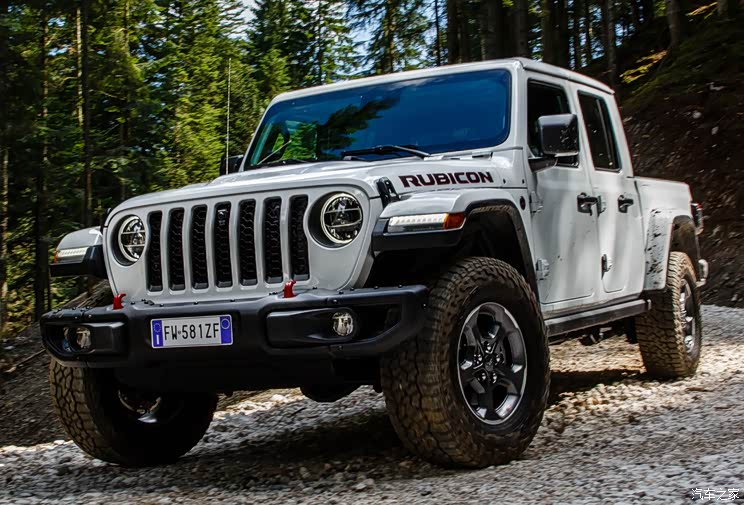
  Teerjia, a more reliable black friend than Roman, drove a modified Gladiator in herdsman, which was developed based on the current JL and officially launched in 2019. In fact, the original Gladiator was launched in 1962, which was also based on the change of military vehicles. It was not until 2005 that Gladiator was launched again, and the real mass production was cash JT.

Home of the car

Home of the car

  Usually, pickup trucks are mostly used as work trucks in the United States, while JEEP Gladiator is a pickup truck with outstanding off-road performance. It has the same COMMAND-TRAC four-wheel drive system as Sahara. Although it is not as powerful as Rubicon’s ROCK-TRAC, its off-road performance is still very strong compared with general off-road vehicles and pickup trucks. Combined with the attributes of pickup trucks, this Gladiator is really outstanding in terms of value and performance after modification!

Do you really know about fluorescent brighteners?

  In recent years, it has been found that fluorescent brighteners are very harmful to human health, and cosmetics containing fluorescent brighteners have attracted widespread attention for a time. So, is fluorescent whitening agent really that terrible?

  What is a fluorescent whitening agent?

  Let’s get to know the fluorescent whitening agent first. It is a kind of fluorescent dye, which belongs to a separate category in the Colour Index (C.I.). The molecular structure of fluorescent whitening agent is mainly composed of a continuous conjugated system containing aromatic rings and one or more substituents. The special chemical structure enables it to absorb ultraviolet rays invisible to the naked eye, and then stimulate visible fluorescence (usually blue or blue-purple), which can make up for the lack of blue light in the reflected light of yellowish white objects, enhance the reflected light in the blue band, improve the whiteness and brightness of white objects to the naked eye, and make the brightness of colored objects brighter and more pleasing. This characteristic of fluorescent whitening agent has made it develop rapidly in the fields of textiles, paper, washing products, plastics and so on, and is considered as one of the three great achievements in the dye industry in the late 20th century.

  At present, there are more than 15 structural types of fluorescent brighteners produced all over the world, and more than 1000 commercial fluorescent brighteners are available. According to different structures, fluorescent brighteners can be divided into stilbene type, benzoxazole type, pyrazoline type, coumarin type, naphthalimide type and other types. Among them, stilbene fluorescent whitening agent is the fastest growing branch.

  The safety of fluorescent whitening agent is closely related to its structure, so it cannot be generalized. Different industrial fields have clear requirements for the use of fluorescent brighteners, so consumers don’t have to think that fluorescent brighteners are unsafe as soon as they hear them. For example, the "Fluorescent Brightener for Detergents" (QB/T2953-2008) stipulates that stilbene biphenyl and bis-triazine amino stilbene fluorescent brighteners can be added in the production of various detergents for clothing.

  As early as 1999, CEFIC and European Detergent Association (A.I.S.E) started the project "Human and Environmental Risk Assessment of Household Cleaning Products in Europe" (HERA), and completed the safety assessment and risk assessment of stilbene fluorescent brighteners commonly used in laundry detergents, such as fluorescent brightener 71. The conclusion is that it will not cause adverse effects on human body and environment.

  China’s food industry stipulates that it is strictly forbidden to artificially add fluorescent whitening agents in the processing of food and related products. However, because some natural plant materials such as bamboo contain fluorescent substances themselves, it may be inevitable to bring trace fluorescent substances into packaging materials, but their residues should be strictly controlled.

  What kind of cosmetics are easy to contain fluorescent whitening agents?

  Affected by the safety problems of fluorescent whitening agents in cosmetics reported by some media in recent years, more and more consumers began to pay attention to this problem. According to incomplete statistics, fluorescent whitening agents that can be found in EU cosmetic raw material database include fluorescent whitening agent 184, fluorescent whitening agent 230, fluorescent whitening agent 236, fluorescent whitening agent 264, fluorescent whitening agent 351, fluorescent whitening agent 367 and fluorescent whitening agent 393, which indicates that these raw materials may have been applied to cosmetics. Among them, fluorescent whitening agent 351 has been included in China’s Catalogue of Used Cosmetic Raw Materials (2015 edition).

  Fluorescent brighteners may be used in cream, cream, emulsion, nail polish, facial mask and other products, which makes the appearance of cosmetics after adding more white and crystal clear. Because optical brighteners are mainly used to improve the appearance of products, their use in cosmetics is neither necessary nor common, and the dosage will not be too large. Some media reported that the problem of detecting fluorescent whitening agent in cosmetics focused on mask products. The main reason is that fluorescent whitening agents are added to mask carriers such as non-woven fabrics, or the carriers made of natural plant fibers contain fluorescent substances. China’s "Technical Specification for Cosmetic Safety" (2015 edition) stipulates that packaging materials that come into direct contact with cosmetics should be safe, and must not react with cosmetics, and must not migrate or release toxic and harmful substances that are harmful to human body.

  So, is the mask used in the carrier or containing fluorescent whitening agent safe? This requires a scientific safety assessment based on product characteristics. Specific to the mask, the factors to be considered include whether the carrier is safe or not; Whether the fluorescent whitening agent will migrate from the carrier and attach to the skin surface during the use of the mask; How much will remain on the skin according to the way of use, whether it will be absorbed by the skin, and whether it will accumulate in the human body after absorption.

  According to the existing knowledge, there are few reports on the migration of fluorescent whitening agent, and we can’t know whether the fluorescent whitening agent will migrate from the mask carrier, but it is difficult for the fluorescent whitening agent to be absorbed through the skin (unless there is a wound on the skin and the normal barrier function is destroyed), so even a small amount of migration will have little impact on human health. Scientific experiments show that if there is a wound on the skin, the fluorescent whitening agent will combine with protein in the human body through the wound, which will hinder the wound healing. Therefore, it is not recommended to use cosmetics that may contain fluorescent whitening agents when the skin is damaged.

  How to detect fluorescent brighteners in cosmetics

  When it comes to the detection of fluorescent brighteners, the first thing that people think of is to use a money detector to illuminate, which is the ultraviolet lamp method. Because the principle of fluorescent whitening agent is that the blue light excited by ultraviolet light neutralizes the yellow light, it can be judged whether the object emits blue fluorescence by direct irradiation with ultraviolet light. This method is very simple and can be used by ordinary consumers, but it also has certain limitations. Because this method can only tell you that the product has "fluorescence" phenomenon, it can’t prove that fluorescent whitening agent is definitely added, and it can’t prove what is added and what is the content. Of course, it is helpful for ordinary consumers to avoid buying products containing fluorescent substances.

  The second method is ultraviolet spectrophotometry, which requires professional instruments and equipment. By measuring the amount of light absorbed by different fluorescent whitening agents, the content is determined by comparing with the standard. This method can accurately determine the content of fluorescent whitening agent, provided that we know what fluorescent whitening agent is used. The equipment used in this method is cheap and easy to operate, and it can be used for product detection in enterprises. However, the cosmetic matrix is very complex and easy to interfere, so it is risky to detect unknown products and should not be popularized.

  The third method is molecular fluorescence spectrophotometry, which determines the type and content of fluorescent whitening agent according to the reflected light intensity and wavelength. However, the fluorescent whitening agent needs to be separated from the product before the determination, so it is not suitable for cosmetics with complex matrix as the second method, and is more suitable for determining the type of fluorescent whitening agent used in raw materials.

  The fourth method is high performance liquid chromatography (HPLC), which separates the pre-treated samples by chromatography, detects them with a suitable detector, and accurately quantifies them according to the corresponding fluorescent whitening agent standard. The detection cost of this method is high, and it is suitable for accurate quantification of specific fluorescent brighteners in complex matrix in professional inspection institutions. However, if conventional ultraviolet or fluorescence detectors are used, it will have certain limitations to determine unknown fluorescent brighteners. If mass spectrometry detector is used, the separation, qualitative analysis and quantitative analysis of fluorescent whitening agent can be realized at the same time, and the instrument has high sensitivity, which is very suitable for qualitative confirmation and quantitative analysis of unknown fluorescent whitening agent in complex matrix.

  To sum up, the probability of containing fluorescent whitening agent in cosmetics is extremely low, and even the products containing fluorescent whitening agent are not necessarily unsafe, and they are all safe under normal dosage, so consumers should keep a good attitude.

  (Author: Zhu Ying, Institute of Environmental and Health-related Product Safety, China Center for Disease Control and Prevention)