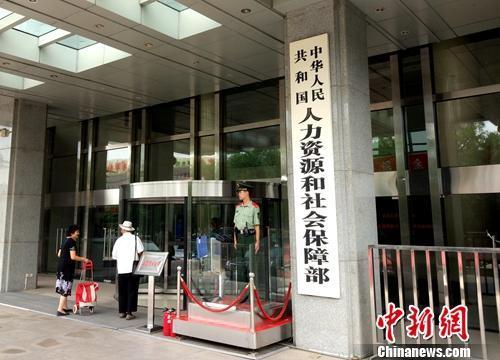
What benefits will the merger of national tax and local tax bring to taxpayers?
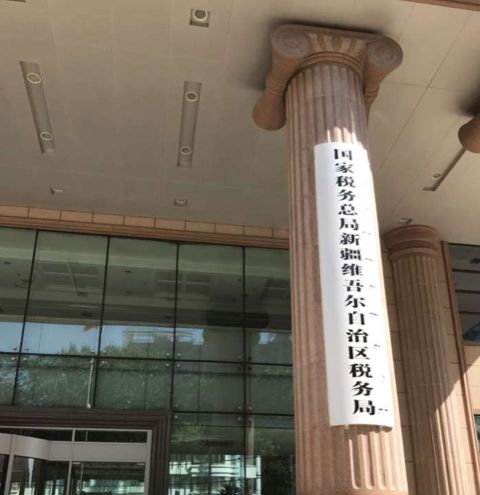
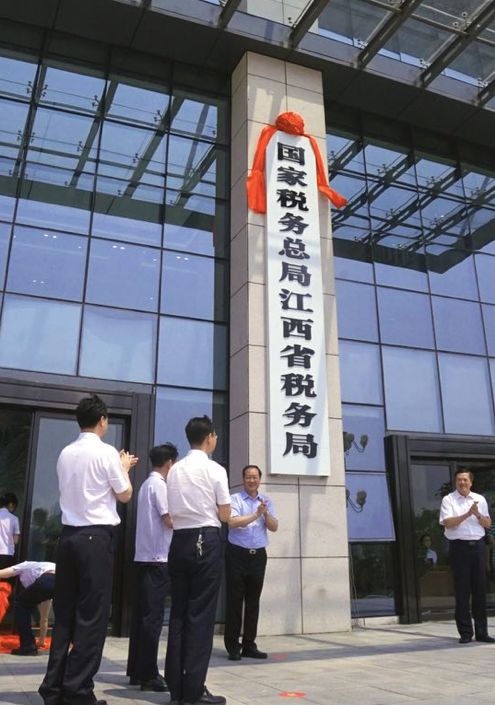
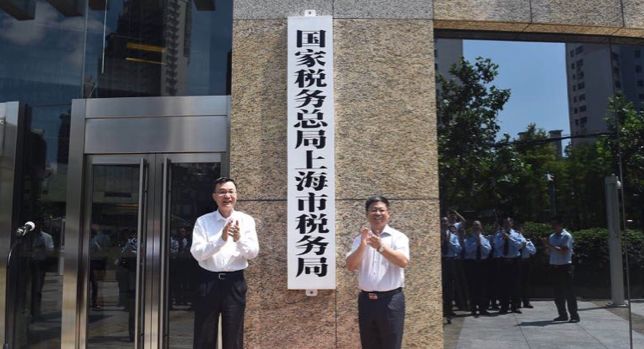
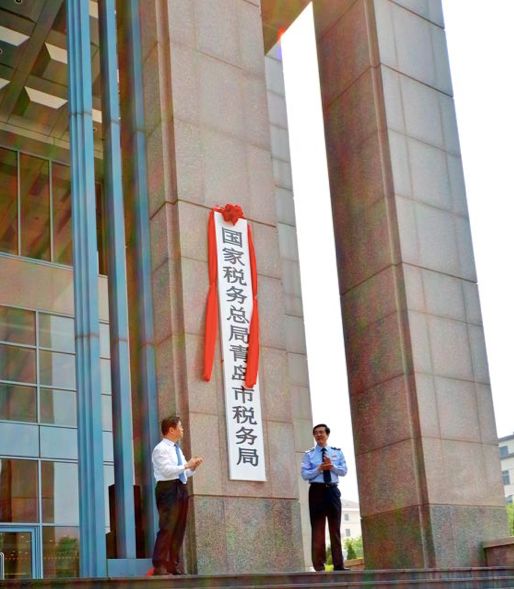
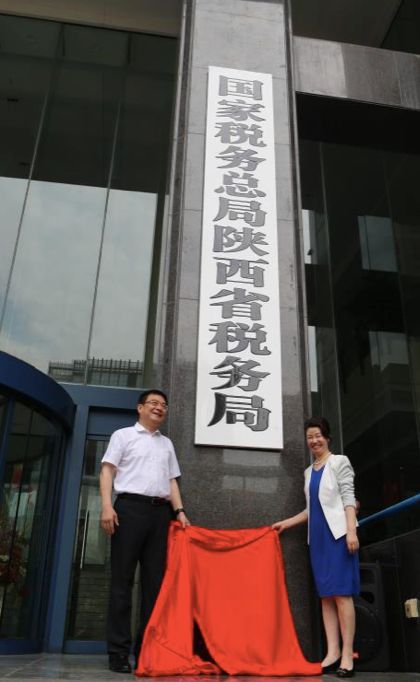
On the morning of June 15th, the State Taxation Bureau and Local Taxation Bureau of all provinces (autonomous regions and municipalities directly under the Central Government) and cities under separate state planning merged and listed in a unified way, marking a key step in the reform of the national tax and local tax collection and management system. After the listing of the new provincial tax bureau, before the end of July, the municipal and county tax bureaus will complete the reform issues such as centralized office and listing of new institutions step by step.
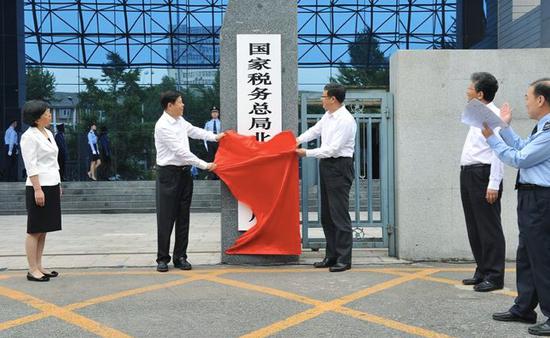
(Wang Jun, Party Secretary and Director of State Taxation Administration of The People’s Republic of China, and Chen Jining, Deputy Secretary of Beijing Municipal Committee and Mayor jointly unveiled the Beijing Municipal Taxation Bureau of State Taxation Administration of The People’s Republic of China)
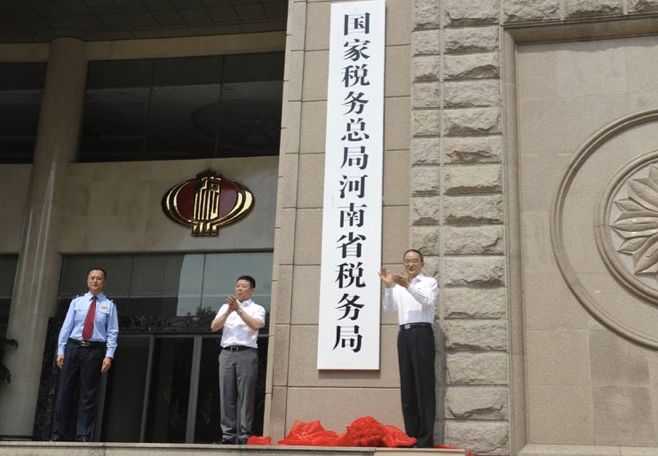
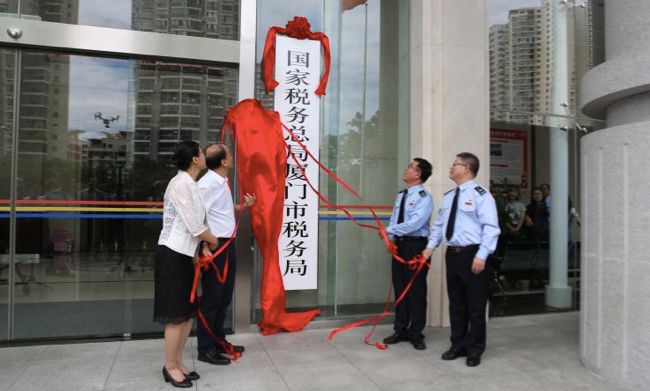
Reforming the collection and management system of national tax and local tax is a major reform to strengthen the party’s overall leadership over tax work and enhance the role of tax service in national governance. What is the significance of this reform? How will the reform be promoted step by step? What sense of gain will the reform bring to taxpayers?
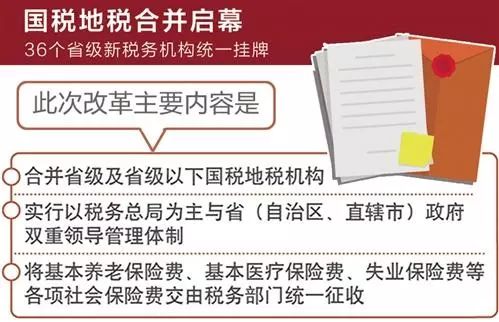
Why to build an optimized, efficient and unified collection and management system?
The Plan for Deepening the Reform of the Party and State Institutions clearly states that the main content of the reform of the collection and management system of national taxation and local taxation is to merge the national taxation and local taxation institutions at or below the provincial level, implement a dual leadership management system with State Taxation Administration of The People’s Republic of China as the main body and the provincial (autonomous regions and municipalities directly under the Central Government) governments, and hand over various social insurance premiums such as basic old-age insurance premiums, basic medical insurance premiums and unemployment insurance premiums to the tax authorities for unified collection.
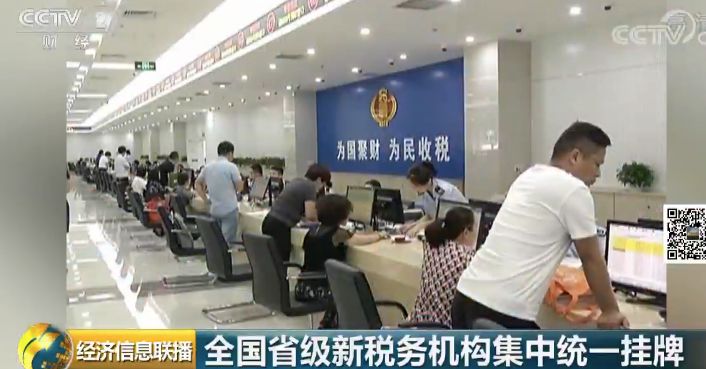
Wang Jun, director of State Taxation Administration of The People’s Republic of China, said that this is a major reform to strengthen the Party’s overall leadership over tax work, to enhance the role of tax revenue in serving the country’s governance, to build a strong tax image for the people, to facilitate the people and to benefit the people, and to build a strong foundation for the long-term development of tax revenue.

Why should the tax authorities be merged from the separation of national tax and local tax?
The "Proposal" points out the purpose of the reform: reducing the collection cost, rationalizing the relationship between responsibilities, improving the efficiency of collection and management, and providing taxpayers with better, more efficient and convenient services.
The "Proposal" requires that the structural layout and strength allocation should be improved in accordance with the principle of combining "slimming" with "fitness" to build an optimized, efficient and unified tax collection and management system.
Hu Yijian, dean of the Institute of Public Policy and Governance of Shanghai University of Finance and Economics, believes that the reform of national tax and local taxation institutions from separation to merger is conducive to improving operational efficiency, including reducing collection costs, improving collection and management efficiency, and promoting fair competition. After the merger of national tax and local tax agencies, tax-related information exchange, unified collection and management, consistent treatment, preferential transparency, promote the normal and reasonable flow of enterprises between regions, and allocate resources more effectively and rationally.
How to change the seven stagesstepcarry forward
The reform of tax institutions involves both tax collection and fee collection. It is necessary to integrate a variety of complex issues across sectors and promote them at different levels at the provincial, city, county and township levels. How will the reform be promoted?
According to Wang Jun, director of State Taxation Administration of The People’s Republic of China, according to the overall schedule, which is a little later than the ministries and commissions and a little earlier than the local institutional reform, the reform of tax institutions can be divided into seven main stages: unifying thoughts to ensure stability, designing top-level plans, mobilizing deployment, improving the model of provincial bureaus, promoting full coverage in cities and counties, summing up experience to find gaps, optimizing and improving and upgrading.
In order to ensure that the reform is vigorously, orderly and effectively promoted, the State Administration of Taxation has established a three-level system of "reform plan+supporting measures+operation documents" and formulated a task account, road map and timetable for a package of reform matters to ensure the smooth progress and implementation of the reform.
According to the overall arrangement of the reform of the national tax and local tax collection and management system, the institutional reform of the tax system will be promoted in the order of listing first and then "three decisions", making the provincial bureau reform sound first and then solidly promoting the reform of the municipal bureau and county bureau, merging the national tax and local tax institutions first and then transferring the social security fees and non-tax revenue collection and management responsibilities. Before the end of July, the municipal and county tax bureaus will complete the reform of centralized office and listing of new institutions step by step.
Fan Yong, a professor at the Central University of Finance and Economics, said that after the reform of the tax collection and management system, non-tax revenue and social insurance premiums will be included in the tax department’s collection and management. This will undoubtedly make social security fees and non-tax revenue more standardized in the system, which will not only help reduce the cost and improve the efficiency of collection and management, but also create conditions for future tax and fee system reform, unify the government revenue system, standardize the income distribution order, and consolidate the modernization foundation of national governance.
New changes optimize taxpayers’ tax experience
After the reform of the tax collection and management system, how will the collection and management business and information system be integrated?
Rao Lixin, Director of the Department of Tax Collection and Science and Technology Development of the State Administration of Taxation, introduced that the State Administration of Taxation has formulated the Work Plan for Reforming the Tax Collection and Management System of National Taxation and Local Taxation. With the listing of new tax agencies at the provincial, municipal and county levels, the tax system will realize "six unifications" at that time, namely "one office for national taxation and local taxation", "one network for national taxation and local taxation", 12366 "one-click consultation" and one-time collection of real-name information.
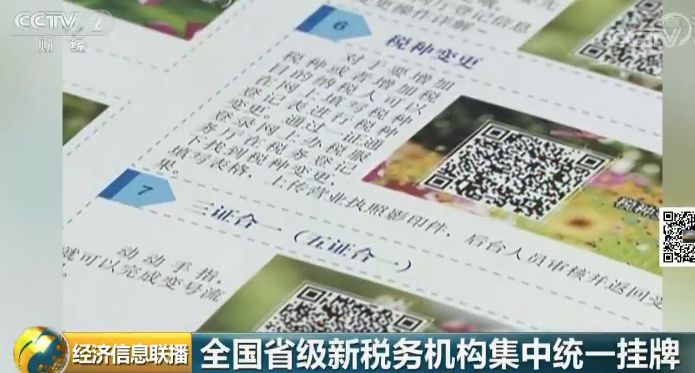
The State Administration of Taxation has made it clear that after the listing of new institutions, in order to facilitate taxpayers to pay taxes, most tax service offices will keep their existing tax service places and locations unchanged. Another direct change is that taxpayers will reduce the submission of tax information. The tax authorities of all provinces sort out the list of items in the same business of the original national tax and local tax, integrate the submitted materials, and archive the materials in a unified way, so that taxpayers only need to submit one set of the same materials and apply for the same tax-related items once.
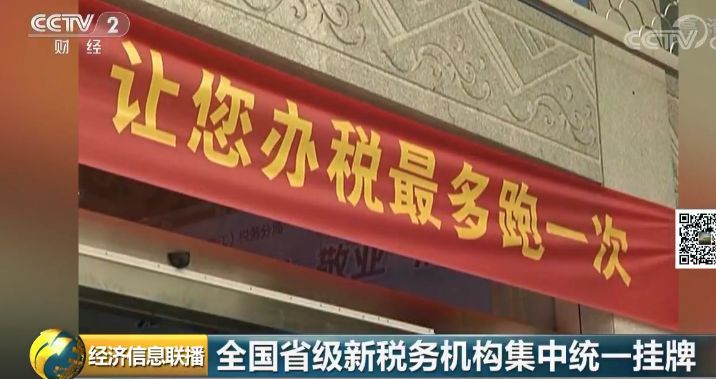
In addition, taxpayers can also handle all tax-related matters in one office. At present, there are 9,365 tax service offices in China that have achieved "one hall for all".
Zhao Xiaogang, a financial officer of Buchang Pharmaceutical Company, said that "one office for all" not only avoids "running back and forth", but also further unifies, degenerates and standardizes the submission of tax-related information, simplifies and optimizes the tax payment process and reduces the tax payment cost.
Li Wanfu, director of the Tax Science Research Institute of the State Administration of Taxation, said that the smooth merger of national tax and local tax agencies will definitely improve the capacity building of tax collection and management in an all-round way, lay a good institutional and institutional foundation for the sustainable growth of national fiscal revenue, and provide a strong guarantee for tax collection and management to further deepen the tax reform.