The "crazy" of Leslie Cheung fan fiend after 1970s: Dreaming
Original Lao Zhou Wang Ye Yan
Dreaming Leslie Cheung Dream Space, located on the first floor of Building D3 in No.808 Hongqiao Road Park, has existed for some time. However, it is still a recent event to officially become a cafe where you can come and talk about the atmosphere of Hong Kong’s entertainment heyday at any time. April 1st and September 12th every year are the big days for the global fans, and there will be a series of activities here. As an investor in Dreaming Space and a veteran fan, I am very busy. It’s not easy to meet him and have a chat. A few days ago, Leslie Cheung’s agent, Ms. Chen Shufen, hosted a commemorative dinner of "Stars Meet for 50 Years". "Magic" took a break before going to Macau and received me in his office. "This used to be the former site of the Shanghai office of Rolling Stone Records." When I opened the fingerprint lock, the "fiend" told me this history, and my face was full of pride. Sit down and pour the tea. Where shall we start? Oh, let’s start with our Luwan District in 310103, from the 1980s, and from our "post-1970s" youth.
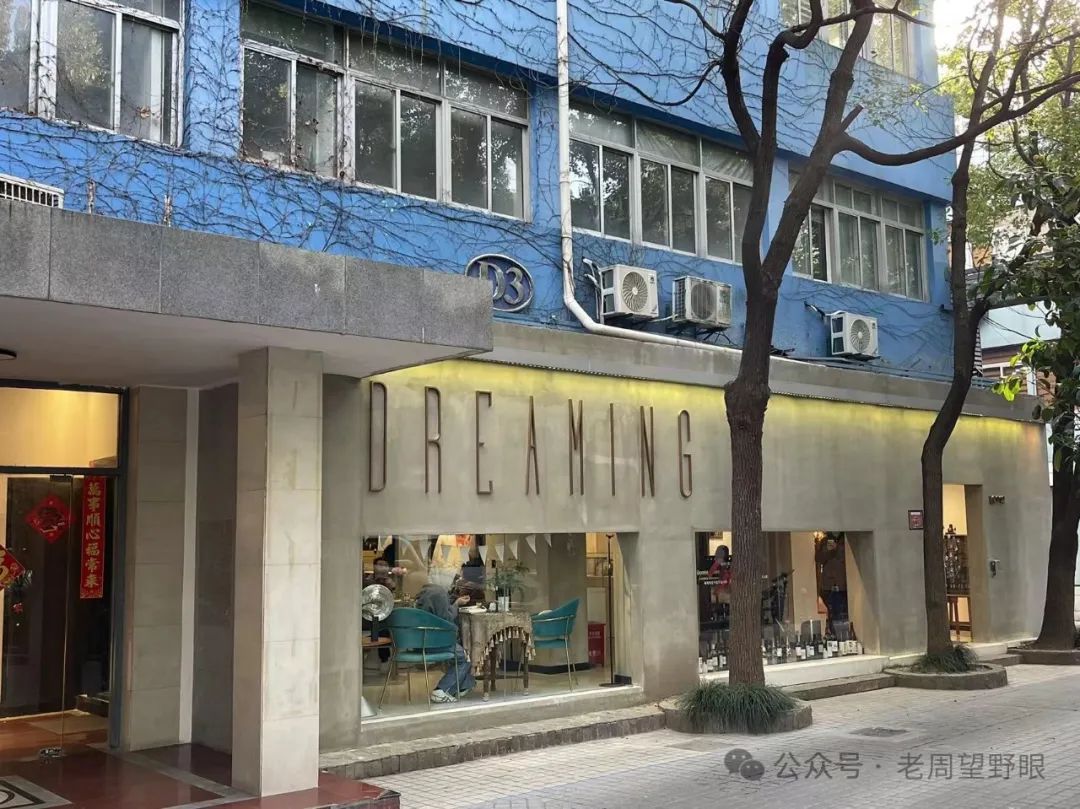
Dreming, Building D3, Lane 808, Hongqiao Road
The only non-profit Leslie Cheung memorial space in the world.
It used to be the location of the Shanghai office of Rolling Stone Records.
The real name of the "fiend" is Tang Yongqi, the same name as the Hong Kong singer Liang Yongqi, but he is an out-and-out 70-year-old from Luwan District and has lived in Sinan Road and Chongqing South Road. "Devil" is his name in the forum of "Rongmen Inn" organized by fans in Leslie Cheung, which is derived from the nickname of Jia Baoyu in A Dream of Red Mansions: "Devil in the World". When chatting with friends from Luwan District, I always talk about my ancestors. Mr. Tang Xinsun, the grandfather of fiend, ran a coal mine in Vietnam in his early years and returned to China with his wife, Ms. Lin Qingping, in 1949. Because of this family background, the generation of fiend’s parents is doomed to have some hardships. The smaller the house is, the more the location is … but the education of their children will never be sloppy. His family has a deep relationship with Mr. Ma Xiangbo, and the godfather of the fiend is Ma Youling, the great-grandson of Mr. Ma Xiangbo. At the end of 1980s, Tang Yongqi, a junior two student in Sinan Road No.12 Middle School, heard Cantonese songs broadcast on the radio. Alan Tam’s "friends" and Leslie Cheung’s "Starting from scratch" and "Sideways" saved their pocket money and went to the alley next to Zhongtu Company in Maoming South Road, Yan ‘an Middle Road, and bought several boxes of "Kao tapes" from "Kao Xiong" to start their fan career.
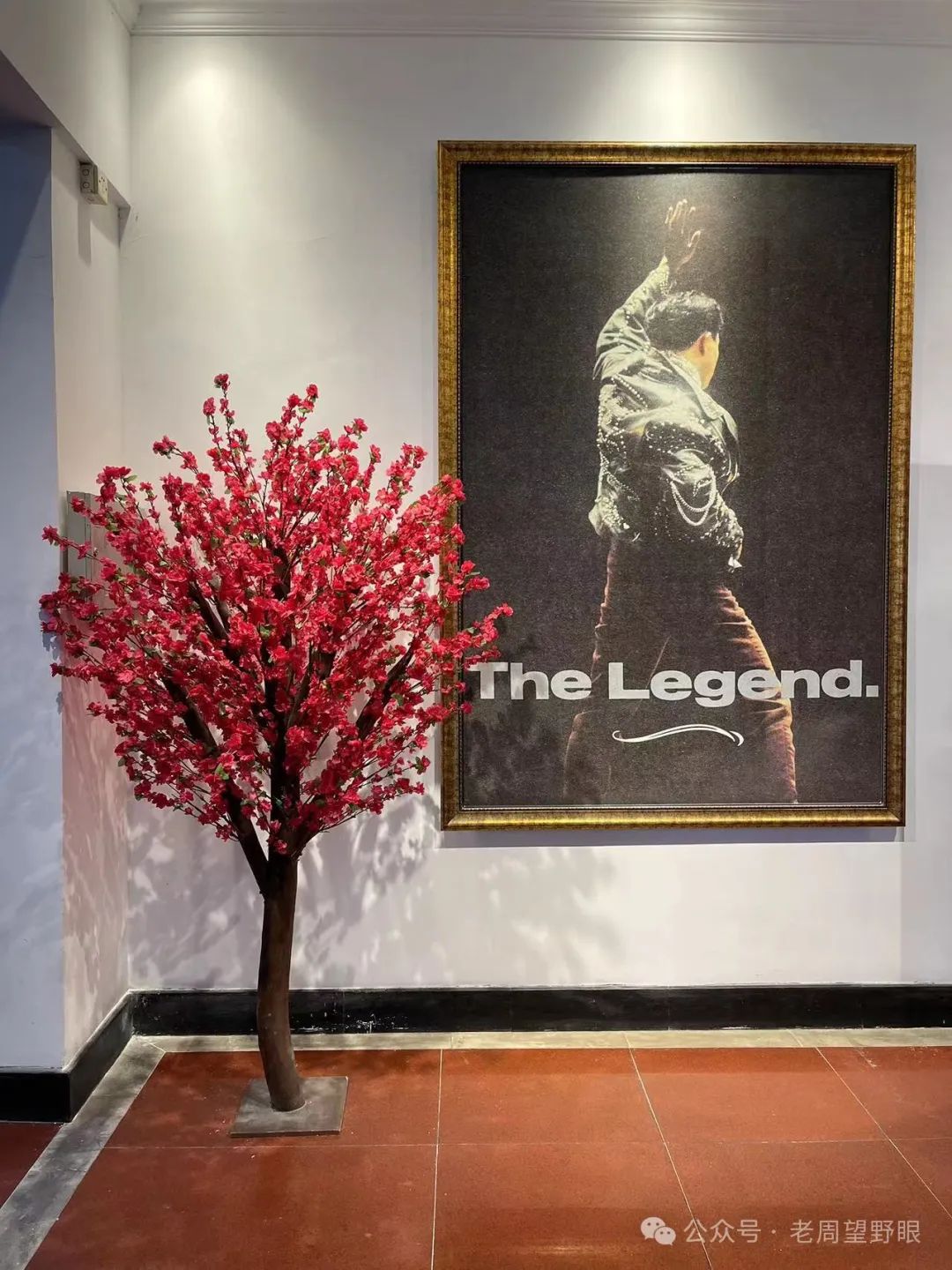
The porch of Dreaming space
A promotional photo of a superstar in Leslie Cheung.
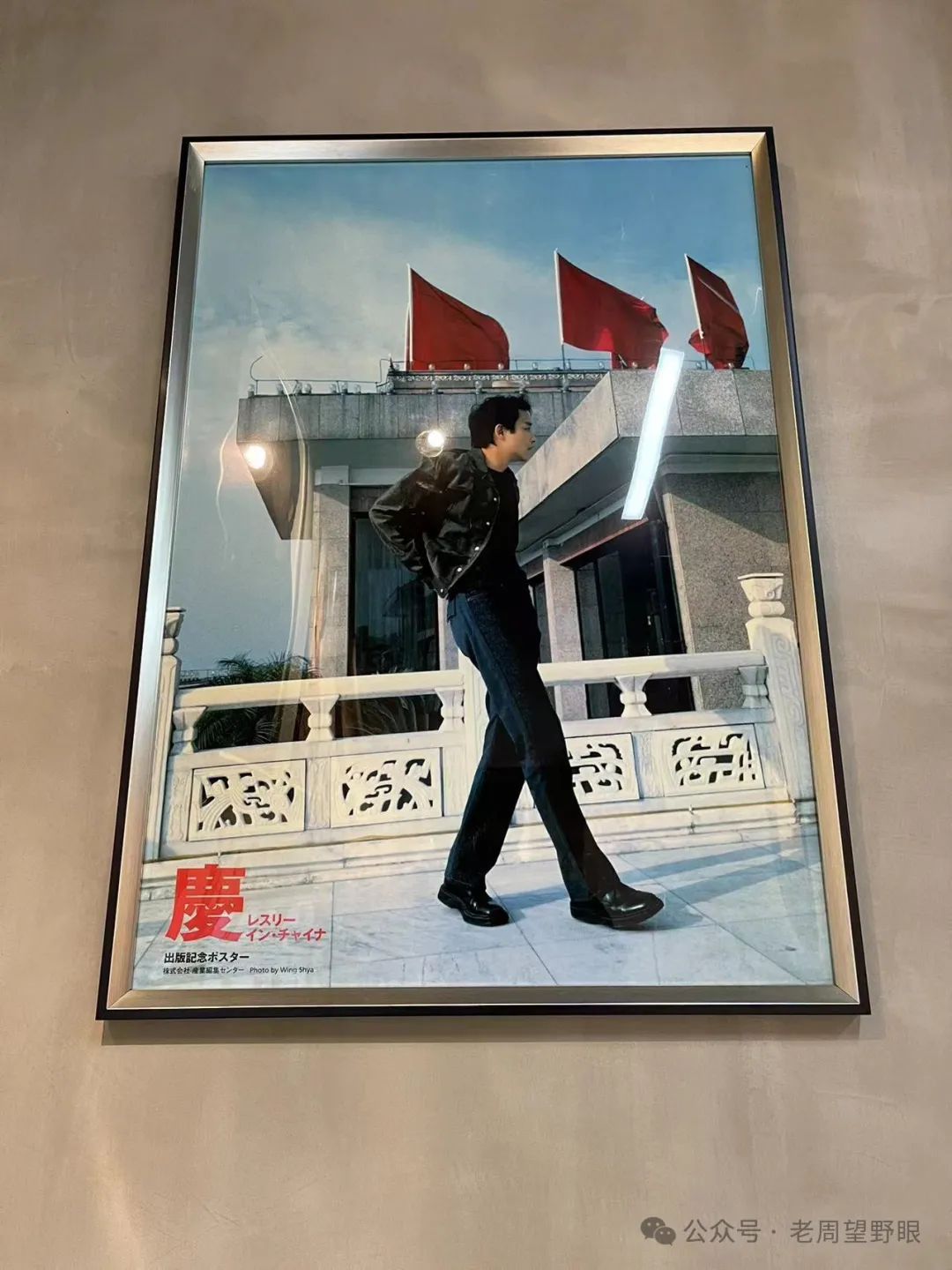
The original poster on the wall
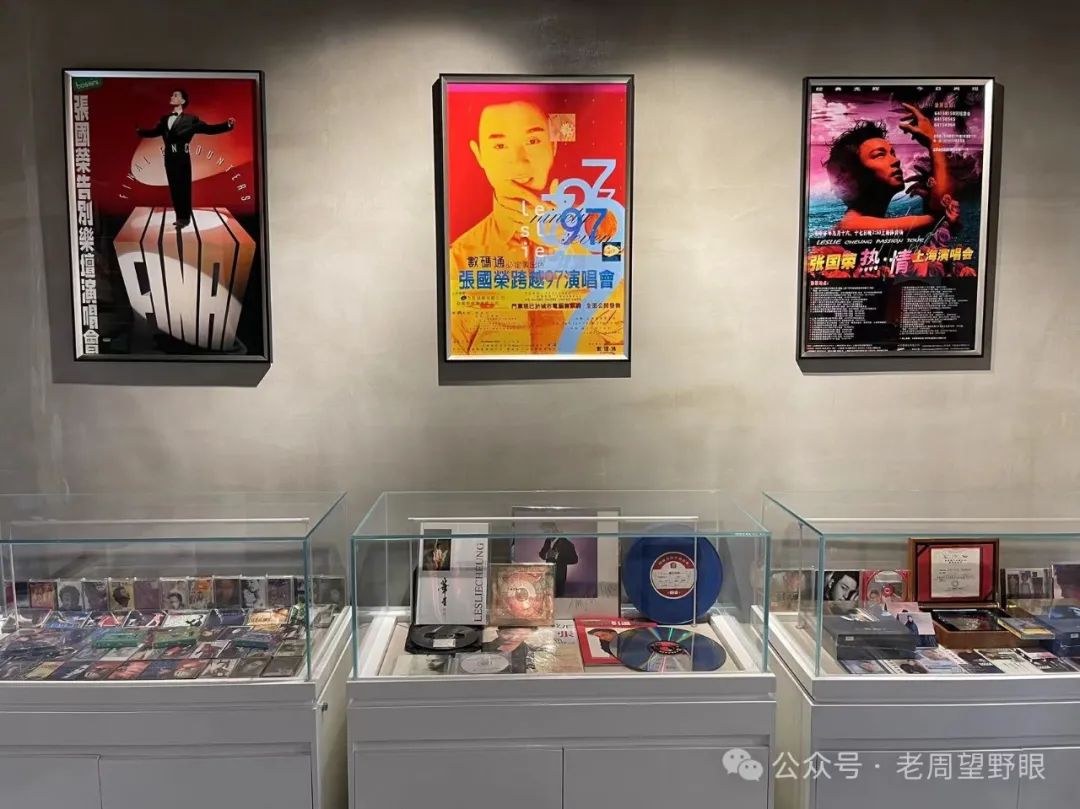
Exhibit a large number of original Leslie Cheung souvenirs
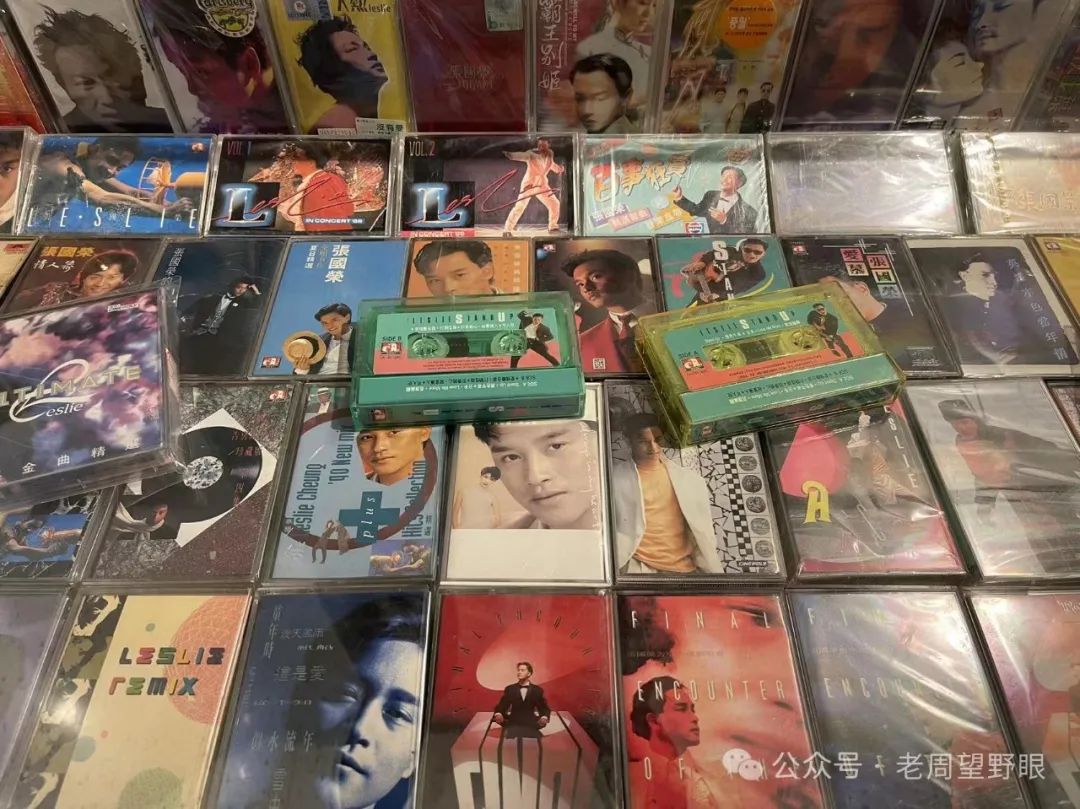
Tapes of all ages
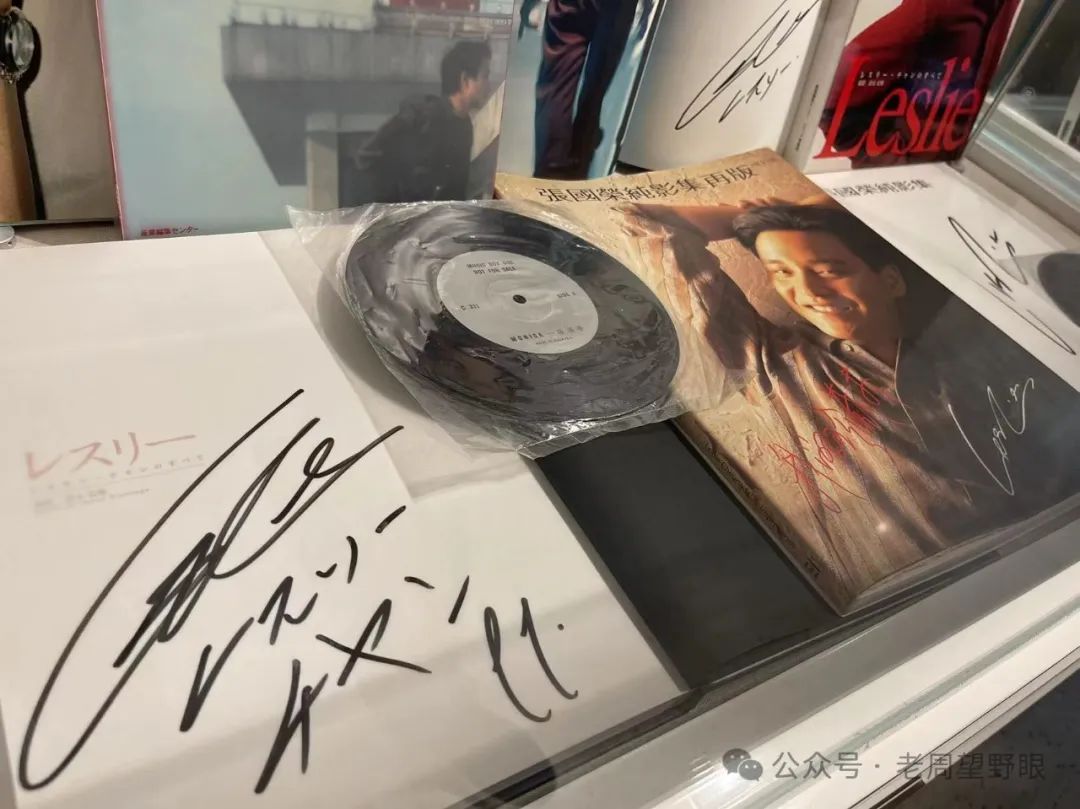
A vinyl version of all Leslie Cheung’s albums.
Demons have collections.
"I also have a lot of regrets," the fiend sighed constantly, and personality determines fate. He is an introvert, or "social fear" is not an exaggeration. In fact, he is engaged in the public relations communication industry and has been working in advertising companies. After starting his own business, his career has flourished, and dealing with all kinds of people is his strength. But deep down, the fiend is still the shy Luwan boy Tang Yongqi in the 1980s. In 2000, Leslie Cheung came to Shanghai to give a "warm concert", but he missed it because of his work. Leslie Cheung came to Shanghai to attend the premiere of the movie Farewell My Concubine. At the Daguangming Cinema, his good friends "rushed out" and took the initiative to take a photo with Leslie Cheung, leaving a precious image. "They can blow for a lifetime", while the shy Tang Yongqi did not move and missed the rare opportunity. "I finally saw him up close." Thirty years later, I still could hear his regret.
After graduating from college, he got married, had children and went into business. The life track of fiend is similar to that of many Shanghainese, but he always remembers the regrets left in the Daguangming Cinema that day. He joined the fan club of the famous fan "Dragonfly" organization, and their cooperation was close because of their love. The fiend and the dragonfly discussed what to do. In June of 2022, the thinking was clear, so they said to do it. In August, they found a house to decorate, and in October, they had the space of Dreaming. "Dragonflies have resources, and I have funds." How much did the fiend actually invest? He smiled without saying a word: "Let’s have a dream for ourselves", and he was more willing to talk about the feelings between people than numbers.
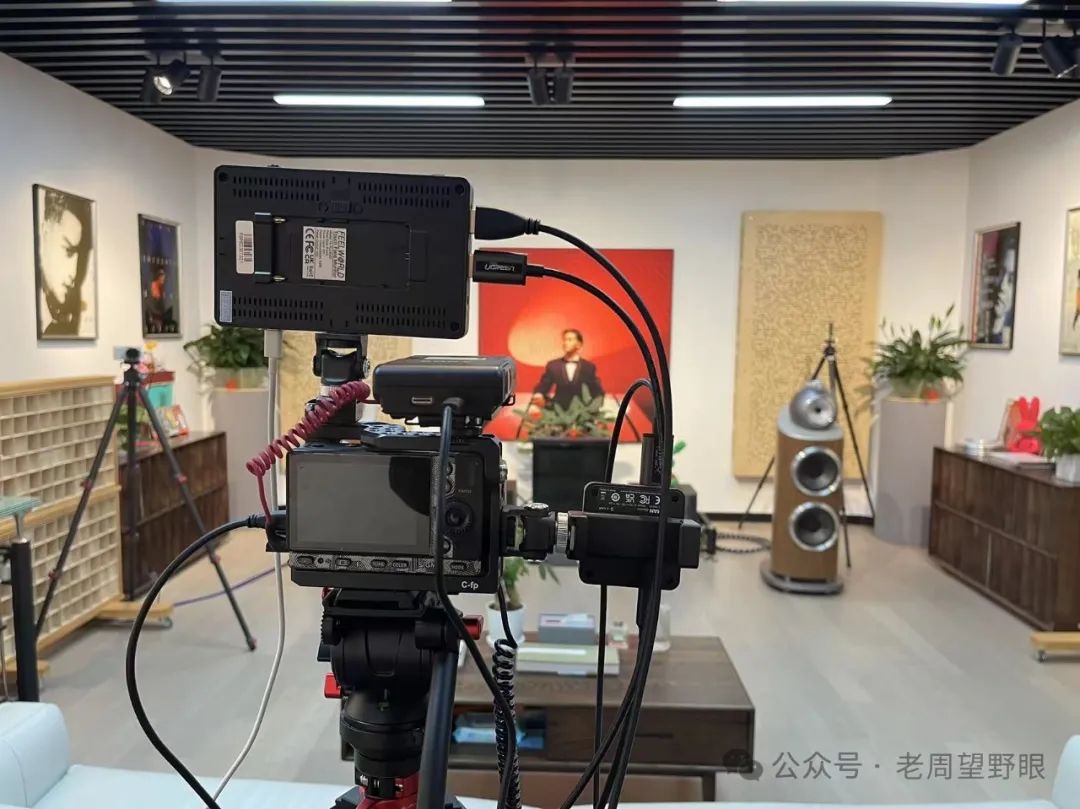
Audio-visual room in Dreming space
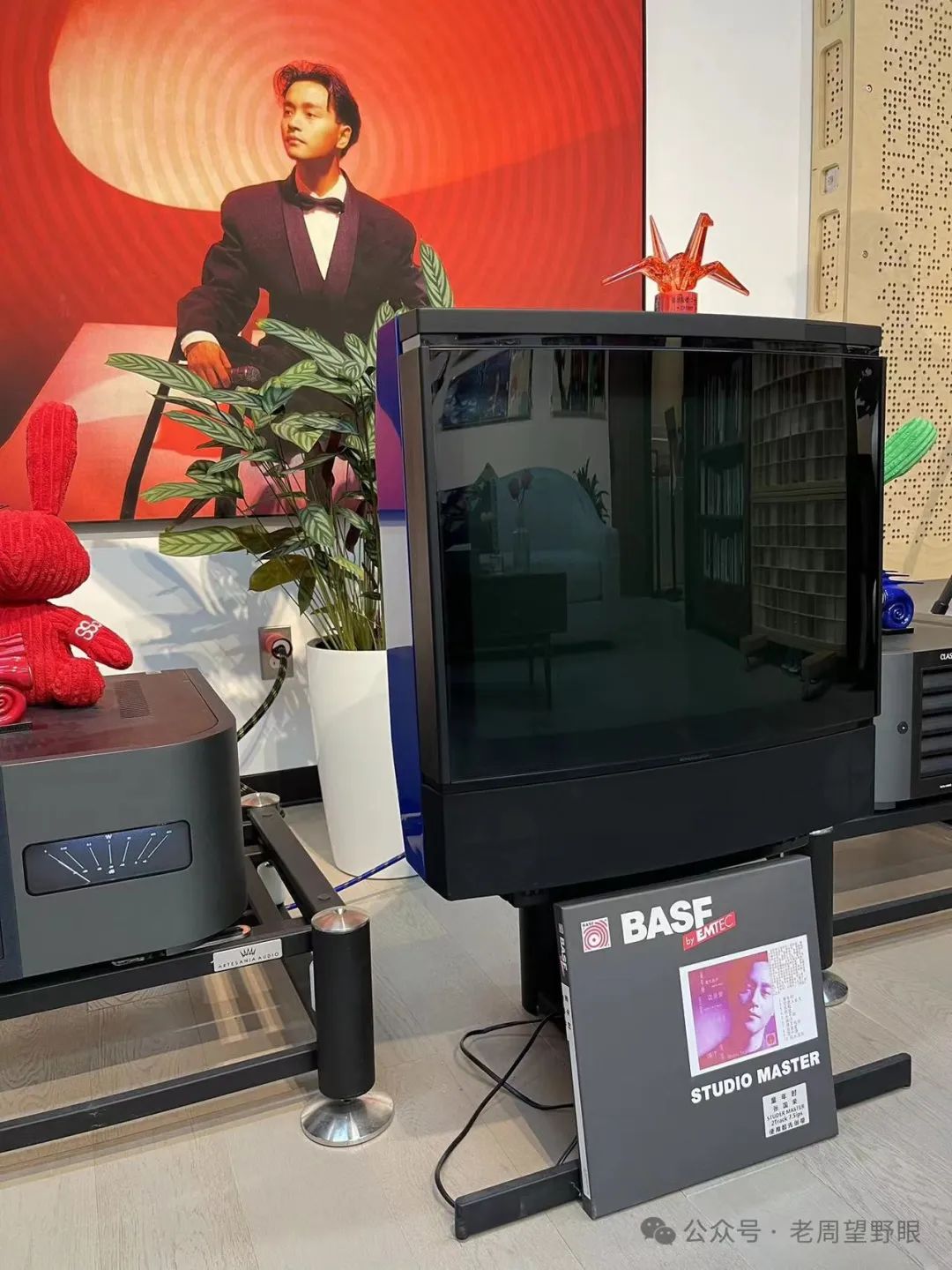
The TV set used by Leslie Cheung himself.
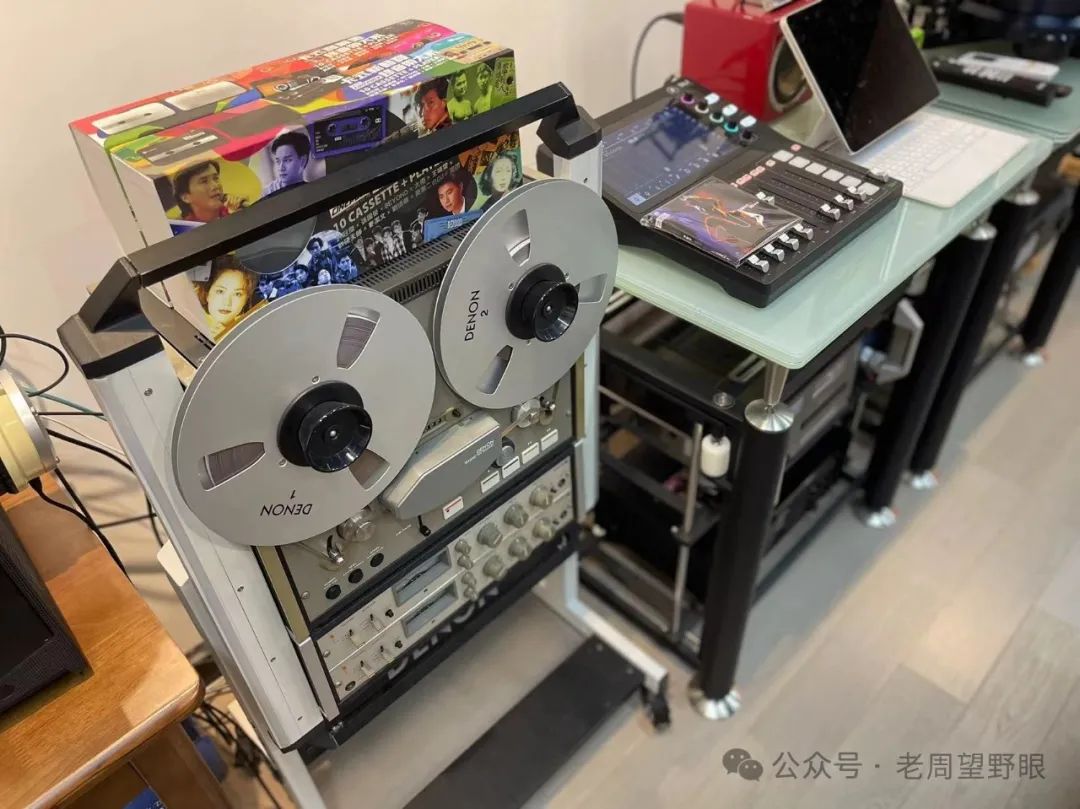
Professional audio equipment
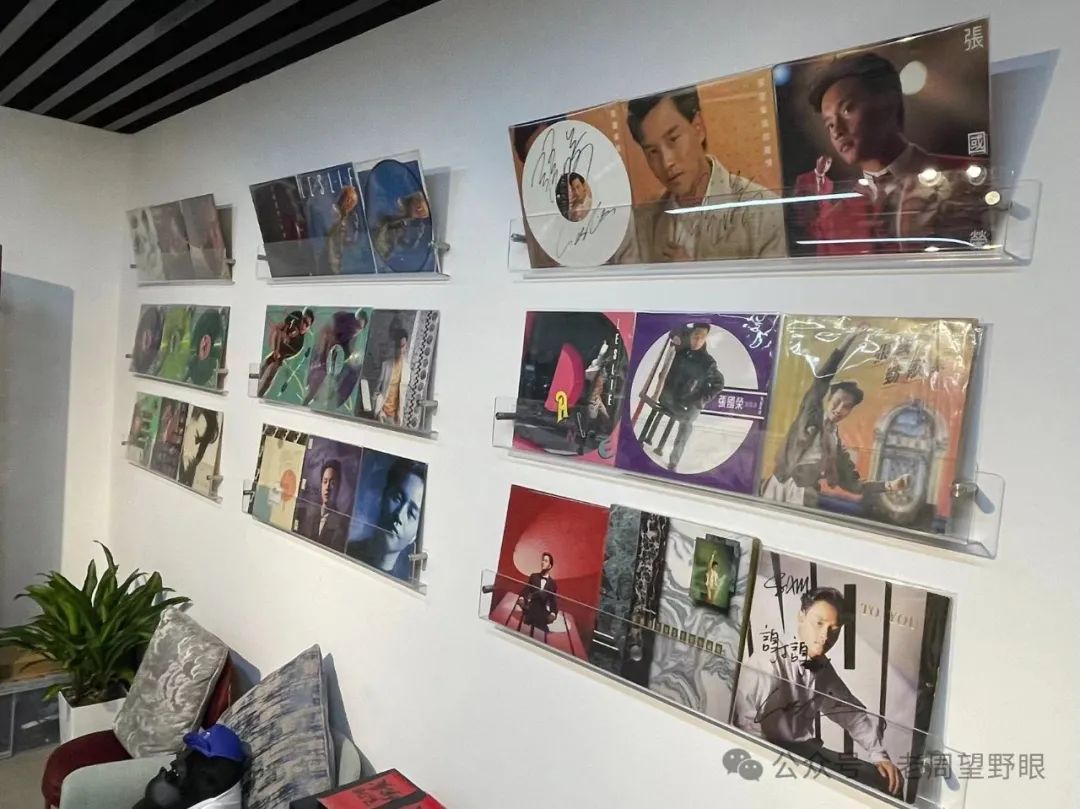
Leslie Cheung’s first vinyl record.
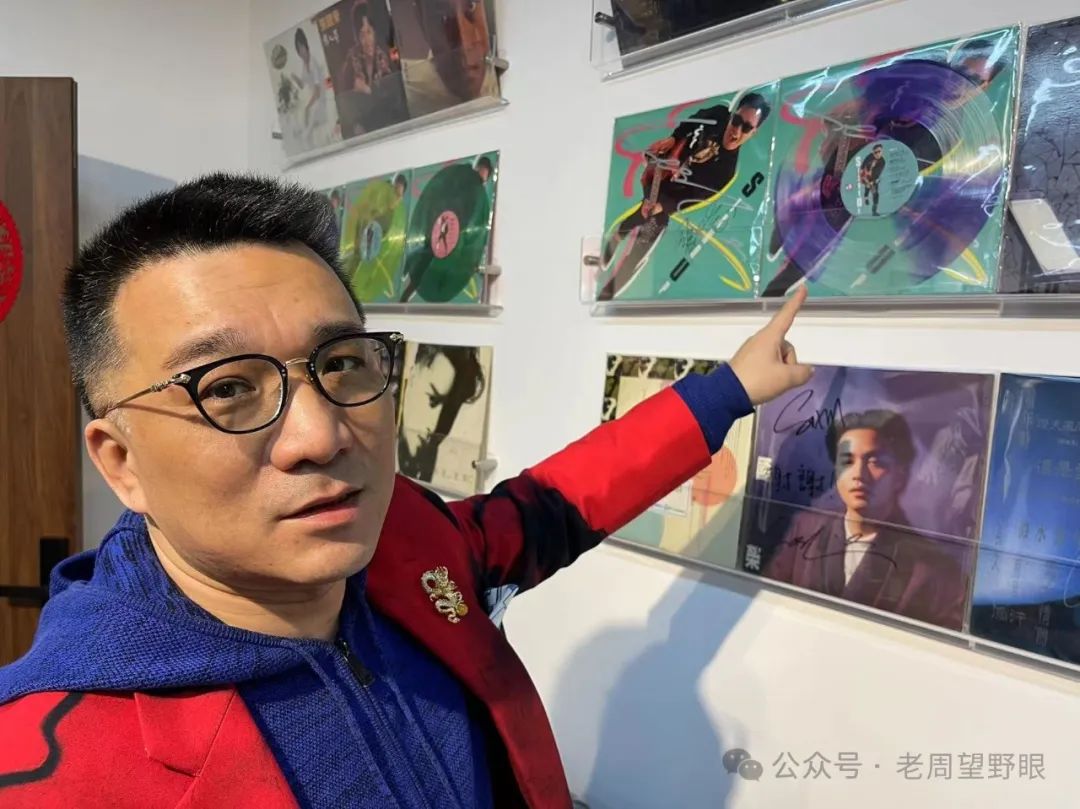
come here
Our protagonist can make an appearance
"This is a 1986 Stand Up."
The last album of Huaxing Records
The earliest colored glue records
There are currently three surviving.
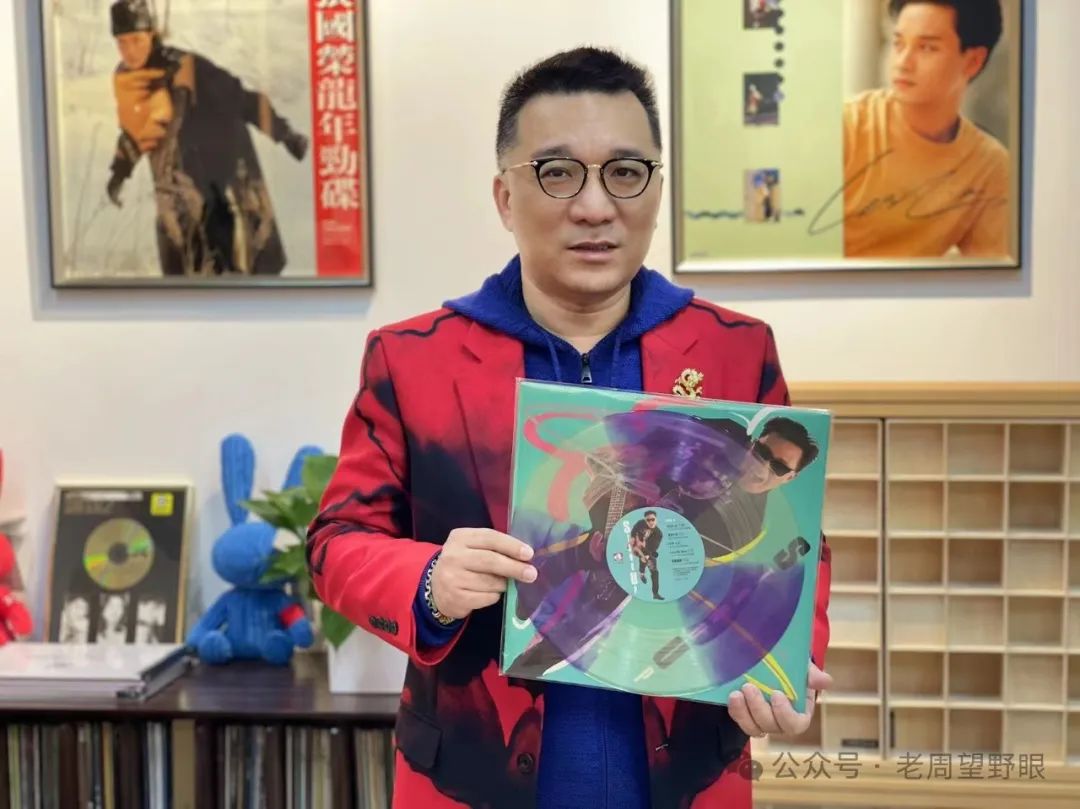
"This is my baby"
Speaking of the past two years, fiend is a long story. Only more than two months after the establishment of Space, he coughed and had a fever. He was accompanied by the song of "Brother" Leslie Cheung, "I listened one by one, from morning till night" and heard that "the whole world just wants you to love me". The usually unsmiling fiend cried like a child. He made it, but mom didn’t. At the end of last year, my mother left. He came here again and played a song by Leslie Cheung, "Spring, Summer, Autumn and Winter". Every time the seasons change, his mother will remind him to add clothes. "Spring should be fine, if you are still there …" But his mother’s exhortation will not be there.
"All right, all right", let’s not talk about these things for the time being. Let’s talk about this memorial space in Leslie Cheung later. Dreaming is a song and an album of Leslie Cheung, and it is also a dream of him and dragonfly. Over the past twenty years, they have changed from "skinny monkeys" to middle-aged uncles. The only constant is their love for Leslie Cheung’s art. "This is the place where our dreams come true," the fiend stressed. "Why can Leslie Cheung have such charm?" In the face of my question, the fiend said, "Because of company". O said that he felt like Leslie Cheung. "My brother is a Virgo, and I am a Taurus." People in his constellation have a stubborn attitude. If they don’t do anything, they must do their best and do their best. "I pursue perfection." O pondered for a moment and added: "Just like my brother."
"A career sustained only by feelings will not last long." O has a clear plan for the future of this space. He hopes that this place can be a gathering place for fans and Hong Kong music lovers. In fact, besides Leslie Cheung, he has a collection of records of most famous singers in the heyday of Hong Kong music, including Alan Tam, Anita Mui, George Lam, Danny Chan, Sandy Lam, Huang Kaiqin, Priscilla Chan, Grasshoppers and Beyond. He hopes that everyone will come and have a look, sit down and have a chat. He also hopes that everyone will like the coffee and snacks here, such as "Happy Ride", "Nongben Affectionate" and "moonlight express" … But the most distinctive one is the latte with Leslie Cheung’s head named after "Favorite".
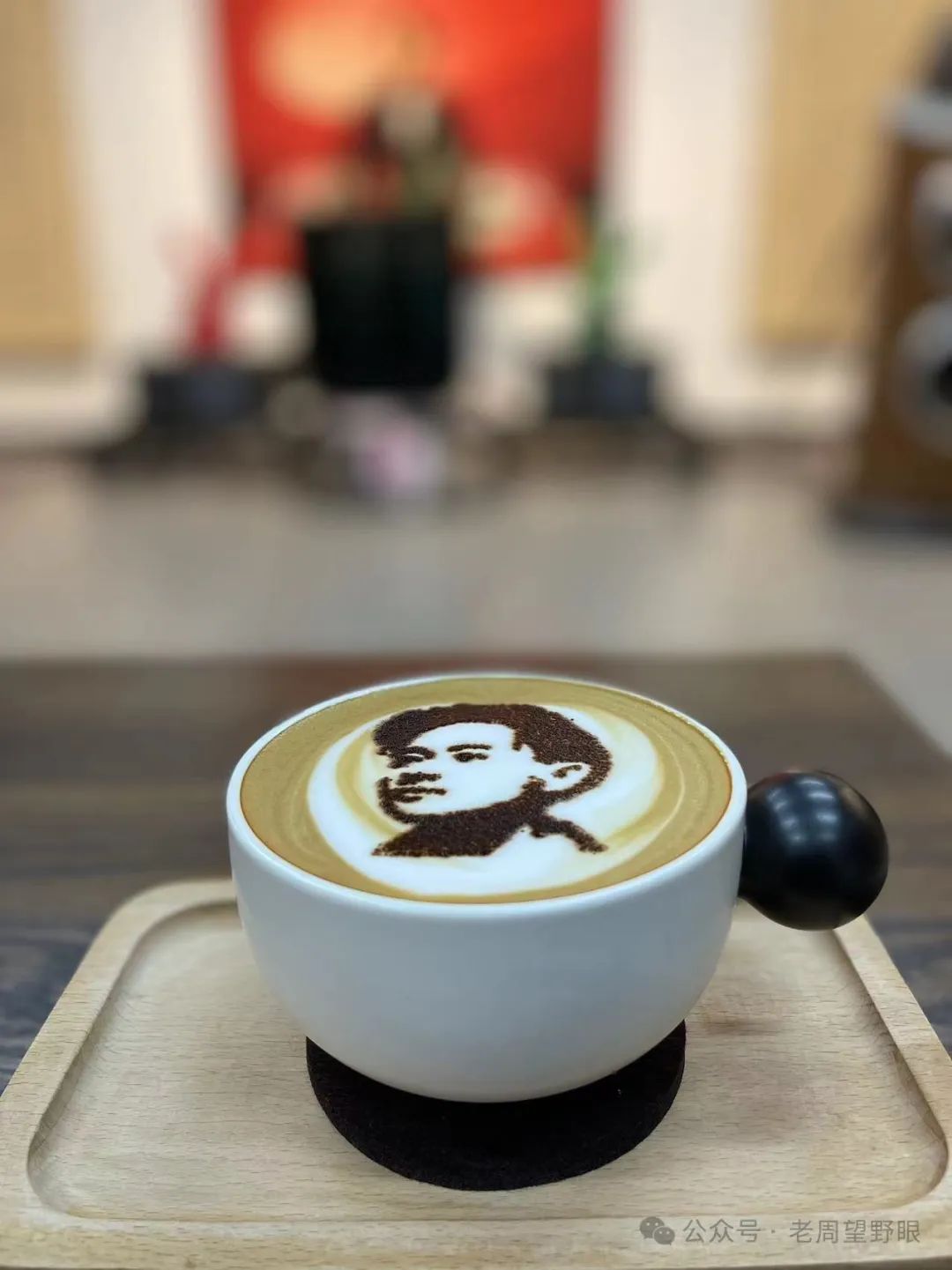
"Favorite" Leslie Cheung head latte
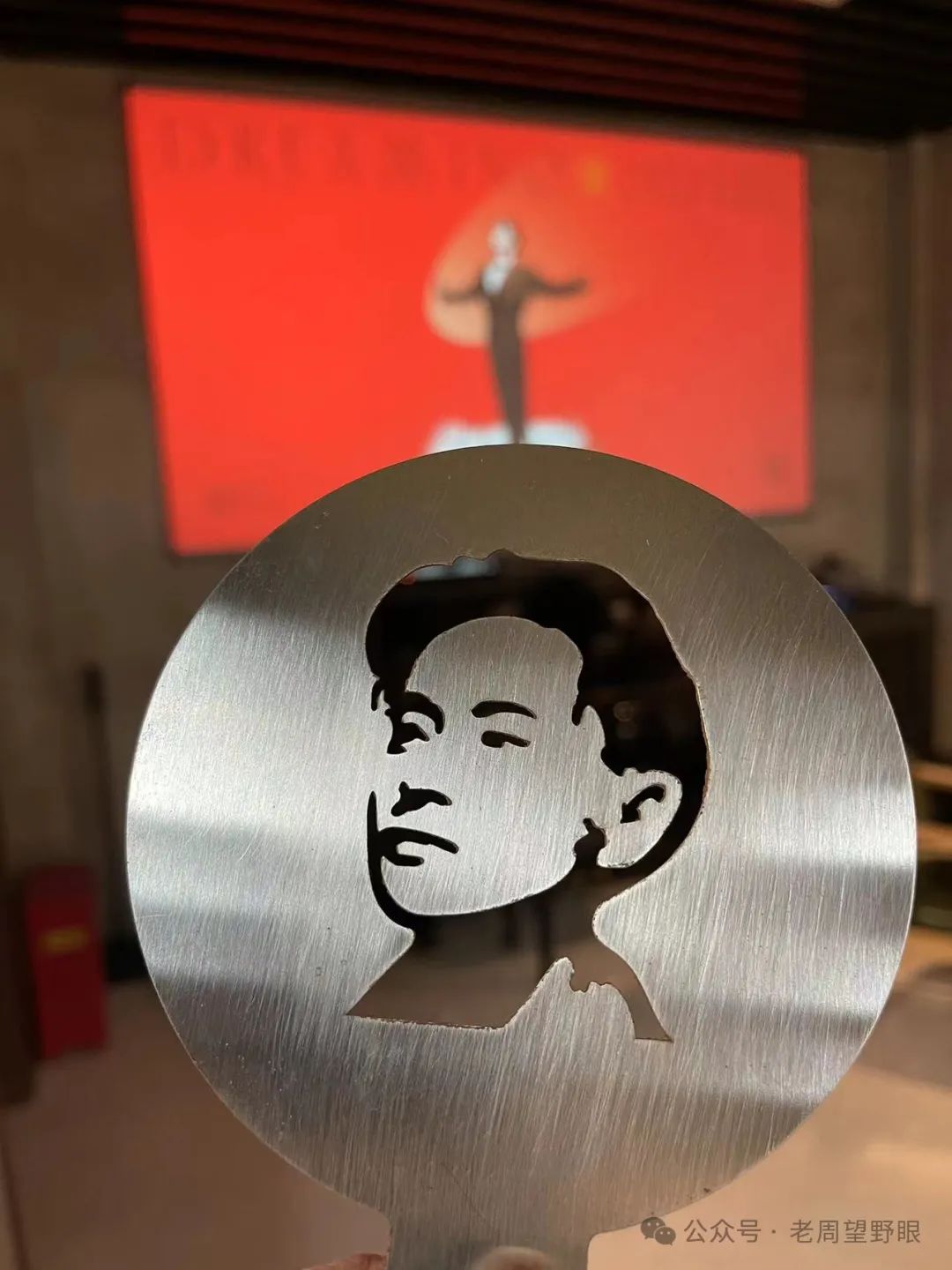
Head latte mold
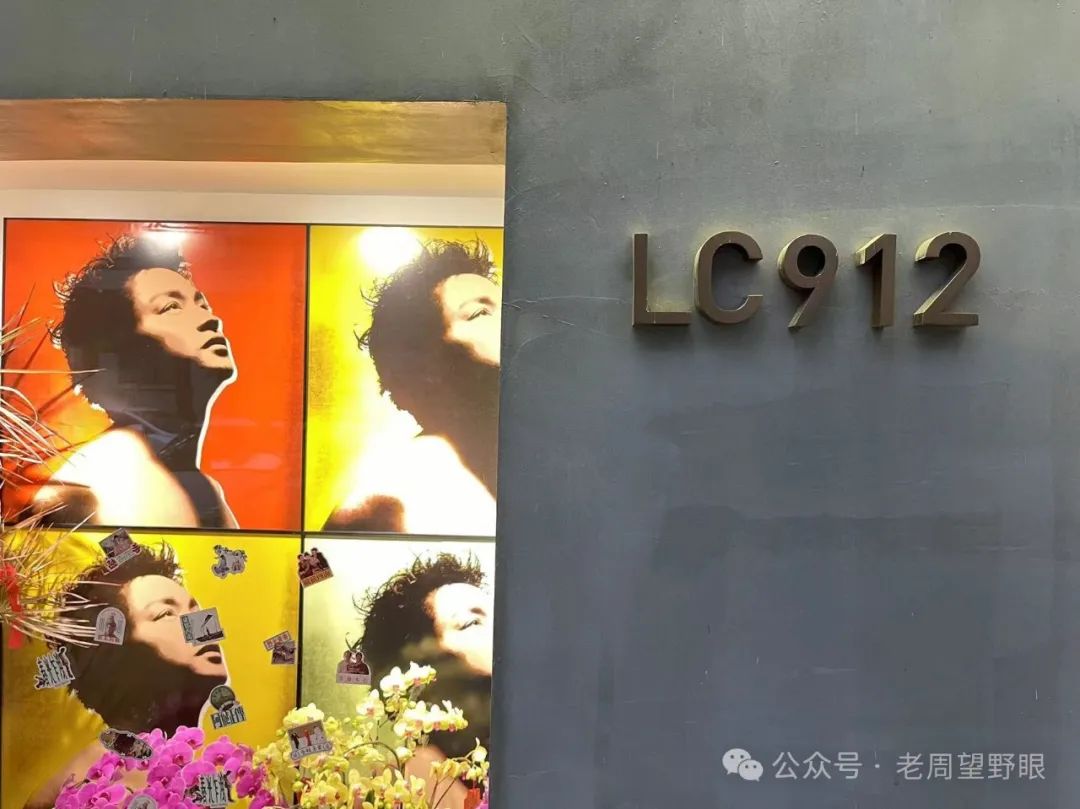
LC912
Leslie Cheung’s English initials and birthday.
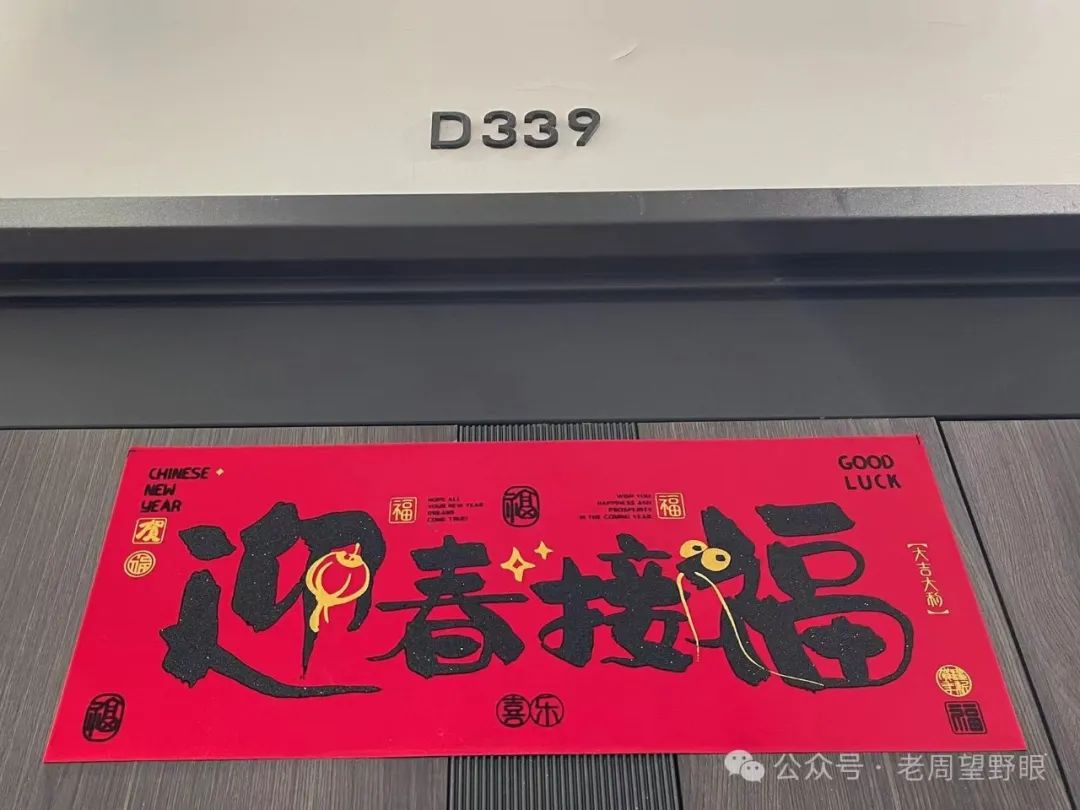
D339
Leslie Cheung’s license plate number
"The 1980s is a distant past, and we and our lives have become too much." The fiend took out two things: Leslie Cheung’s profile album, a recording tape that Tang Yongqi, a young boy in the 1980s, scoured in the alley next to China Map, and a profile commemorative vinyl that the successful fiend scoured in the auction market in 2017. This year is his eighth year of owning this record, but he didn’t open it: "I hope there are some things in my life that won’t change." When I said these words, the expression of the fiend reminded me of an old song by Leslie Cheung: "I’m crazy".
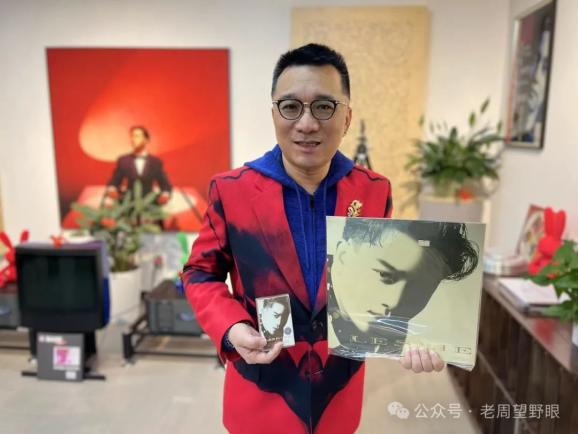
1989-2017-2024
Original title: "Dreaming" of Leslie Cheung fan fiend after 1970s.
Read the original text