China obesity map is released in 2023, and you still have to eat like a southerner.
Original wish you health magazine
I just saw a news these two days: a 33-year-old brother drank 8 bottles of coke every day, but he lost 70 pounds in three months.
He flattered himself that he had found the secret of losing weight, but he was quickly "awakened" by the cold reality: it turned out that he was suffering from diabetes.
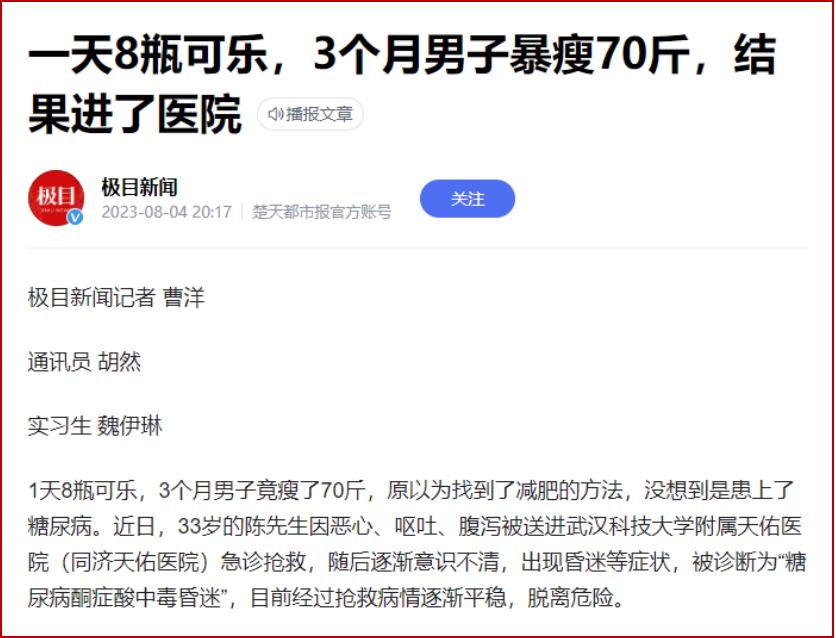
It can be seen that he really wants to lose weight, although the method is all wet.

It is indeed the common wish of many people to lose weight healthily, but the reality is not so beautiful.
Also in these two days, the "China obesity map" was released.
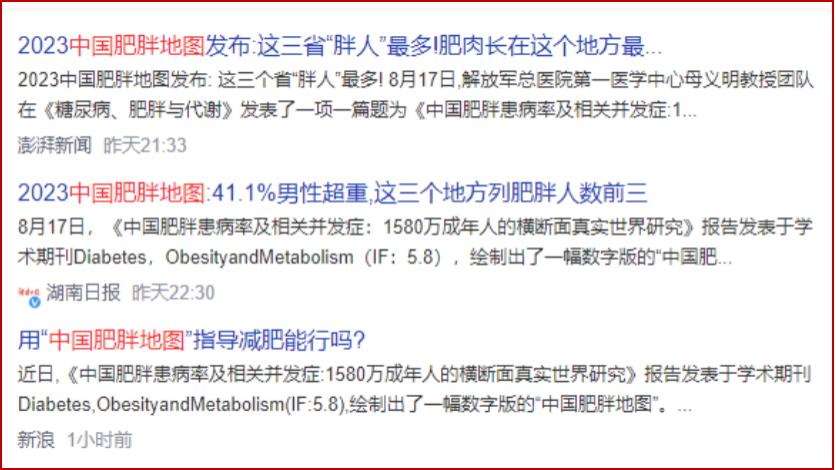
This is the largest study on the prevalence of overweight and obesity and related complications in China so far. A total of 15.8 million eligible adults from 243 cities across the country participated.

"Fat Three Provinces" released:
Inner Mongolia, Shandong, Hebei
According to the BMI classification standard of overweight and obesity in China, 34.8% of the 15.8 million adult subjects are overweight and 14.1% are obese.
By region, the top three provinces are Inner Mongolia (37.1%), Shandong (37.1%) and Hebei (36.6%).
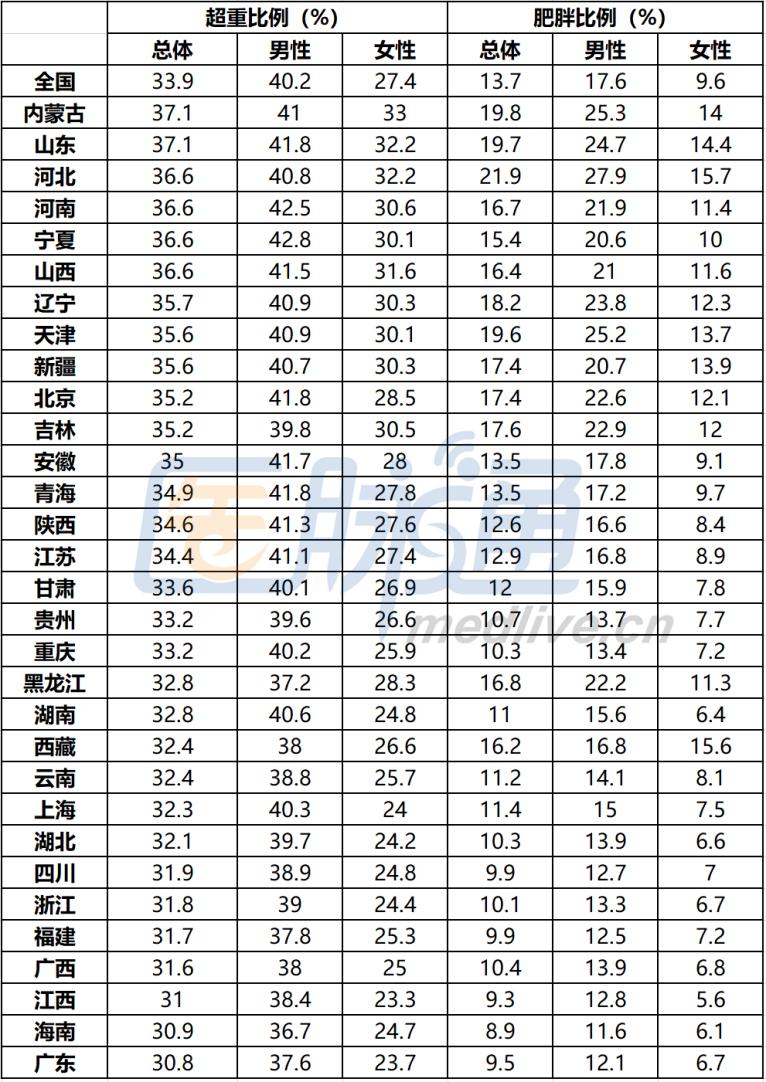
Image source: Yimaitong
The result is not very optimistic, to sum up:
Northerners are fatter than southerners.
The top ten provinces are Inner Mongolia, Shandong, Hebei, Henan, Ningxia, Shanxi, Liaoning, Tianjin, Xinjiang and Beijing, almost all of which are northern provinces.
Men are fatter than women.
The proportion of overweight in men is 41.1%, while that in women is 27.7%. The proportion of obesity among men is 18.2%, while that of women is 9.4%.
As long as you get fat, almost all of them have complications.
Nearly 90% of obese patients have complications, the most common ones are fatty liver (34.9%), pre-diabetes (27.6%), dyslipidemia (24.9%) and hypertension (17.6%).

Suggest learning more.
"Jiangnan diet"
When it comes to "fat", it will definitely involve "eating".
In particular, "being thin in the south and fat in the north" is closely related to "eating".
After all, just looking at the comparison of the food exposed by these netizens, I have to admit:
In terms of weight, northern cuisine has never been lost;
In terms of weight, North Renye Fang is "fat".
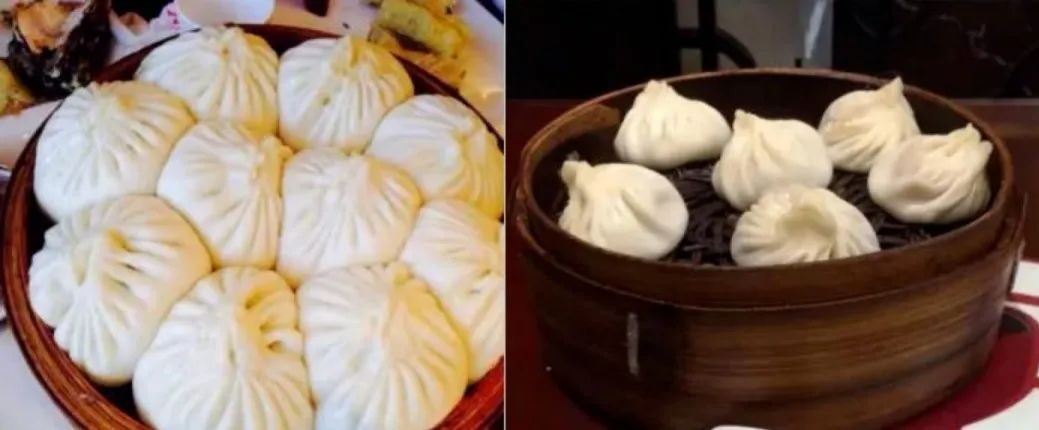
Northern one-cage steamed buns VS Southern one-cage steamed buns
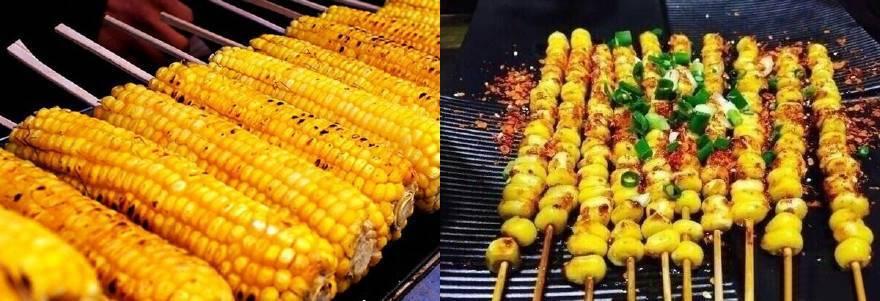
Northern barbecue corn VS southern barbecue corn
In the Scientific Research Report on Dietary Guidelines for China Residents (2021) issued by China Nutrition Society, the "Oriental Healthy Diet Model" was first put forward, and it was specifically mentioned that "Jiangnan Diet" should be the representative.
Main characteristics of Jiangnan diet
·1
Light and little salt.
·2
Food is diverse, mainly grain.
·3
Vegetables and fruits are abundant.
·4
Fish and shrimp are rich in aquatic products.
·5
Milk and beans are abundant.
Experts mentioned that meals in the Yangtze River Delta and Pearl River Delta regions are generally lightly seasoned, paying more attention to the "original taste" of ingredients, and the amount of cooking salt is lower than that in the northern region.
There are also many classic gourmet dishes cooked at low temperature with little oil in the above areas, such as "boiled shrimp", "steamed fish" and "boiled chicken", which can make full use of the advantages of fresh ingredients and get full delicious enjoyment on the basis of less oil and less salt.
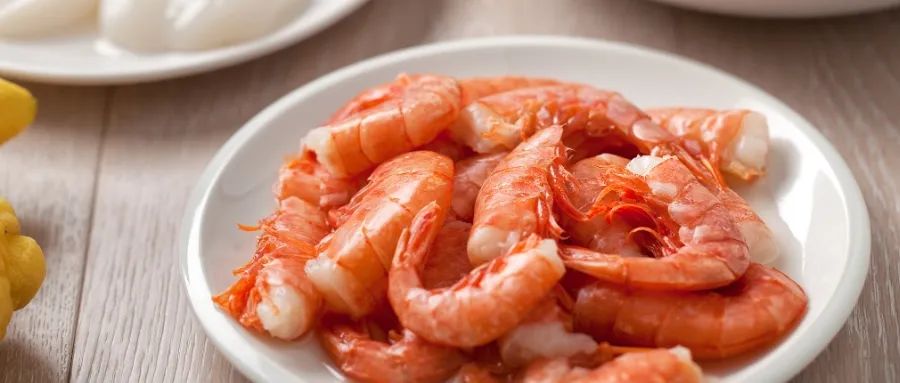
I suggest you adjust your dining table with reference to the characteristics of "Jiangnan diet", especially those who are used to "northern taste", and need to move early ~
1. Adults should consume 200-300g of cereals every day, including 50-150g of whole grains and miscellaneous beans and 50-100g of potatoes.
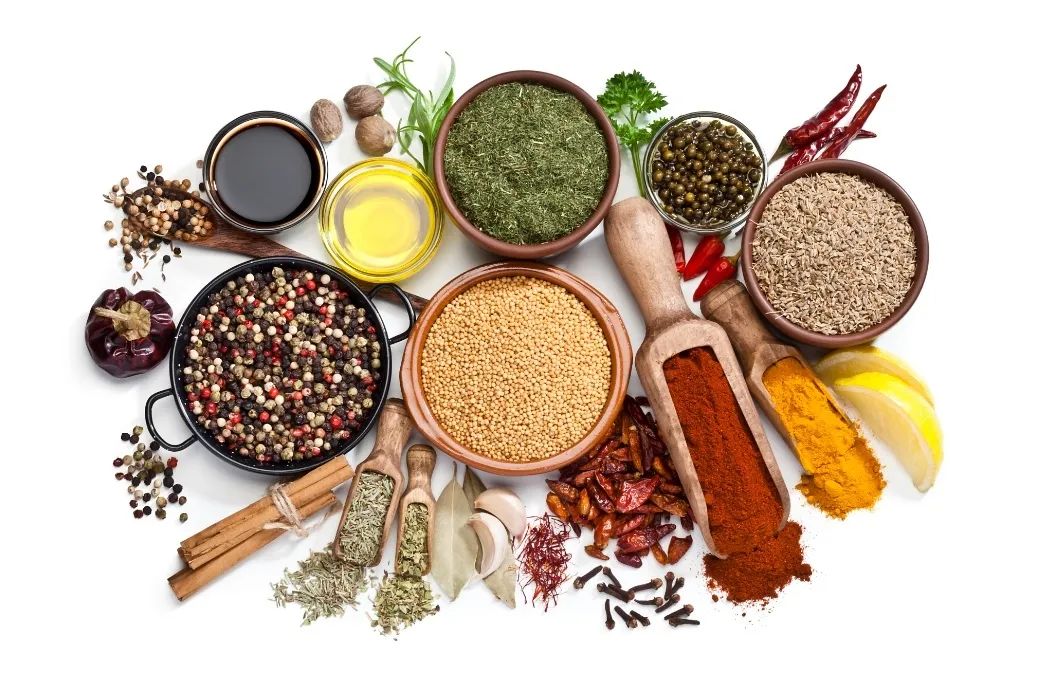
50-100 grams of potatoes, the energy is only equivalent to 15-35 grams of rice, which can help us reduce the calorie intake while eating.
2. Adults should consume at least 300g of vegetables every day, giving priority to fresh green leafy vegetables, accounting for at least 1/2 of the total vegetable intake.
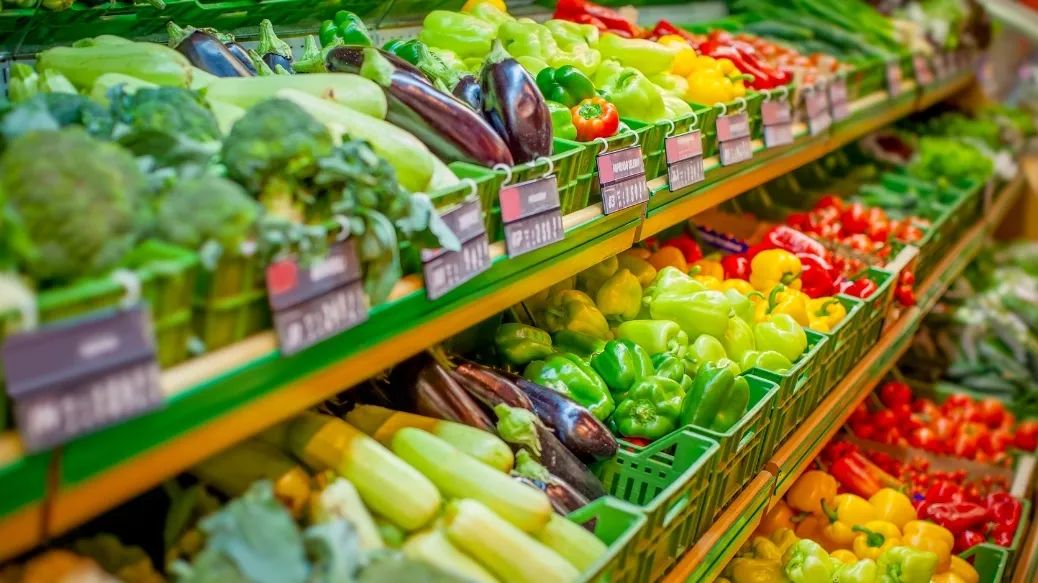
3. Adults consume 200-350g of fruit every day. To eat fresh fruit, it is not recommended to drink juice.
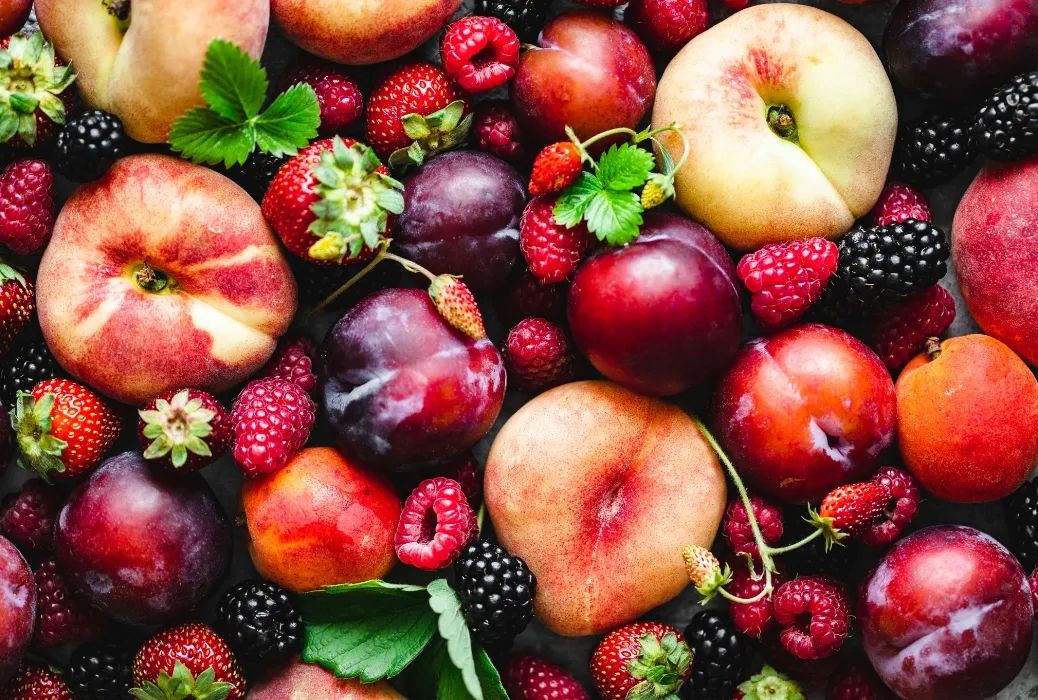
4. It is recommended to take 120-200g of animal food such as fish, poultry, meat and eggs every day.
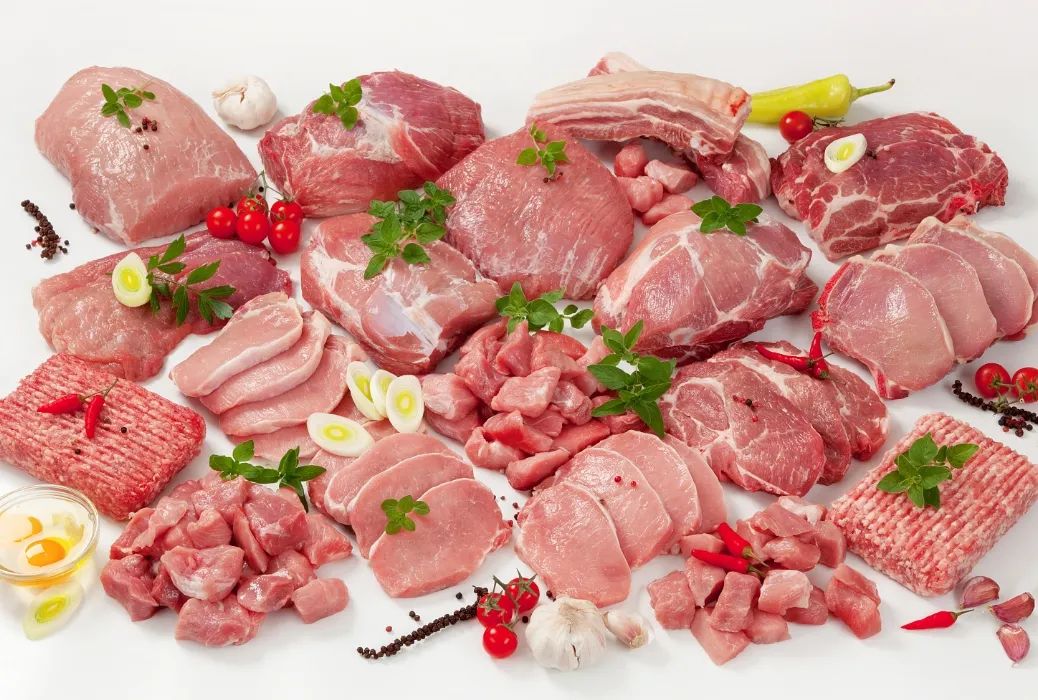
5. Eat 300-500 grams of fish and shrimp aquatic products every week, not limited to sea water products or fresh water aquatic products, and you can buy them according to your eating habits.
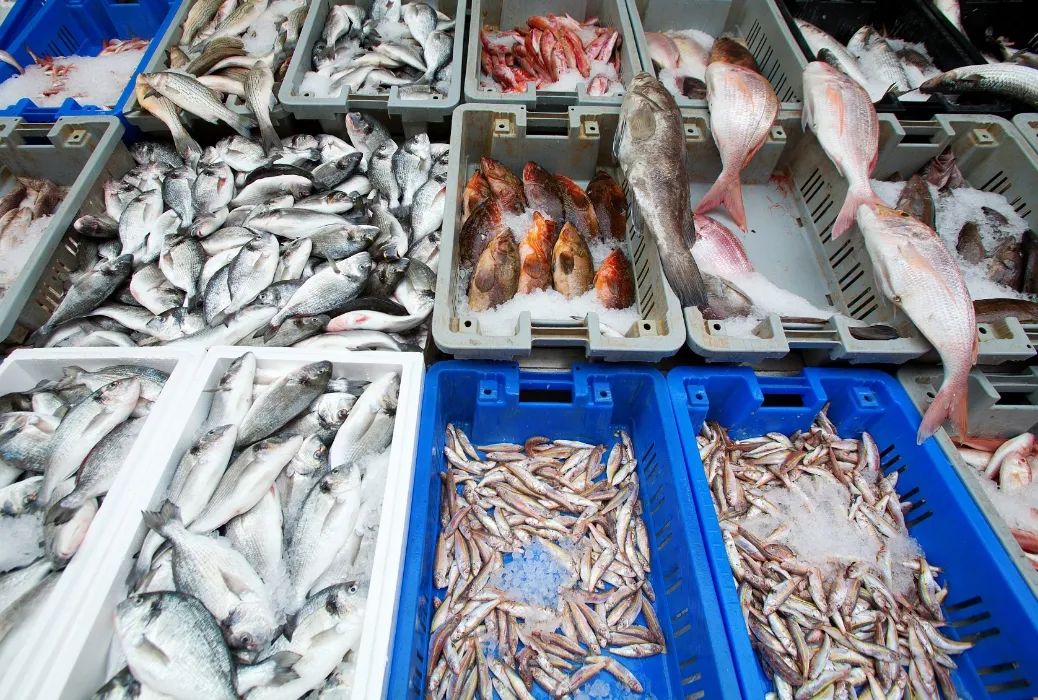
6. Eat 300-500 grams of milk or dairy products every day.
Note that 100g fresh milk = 100g yogurt = 12.5g milk powder = 10g cheese.

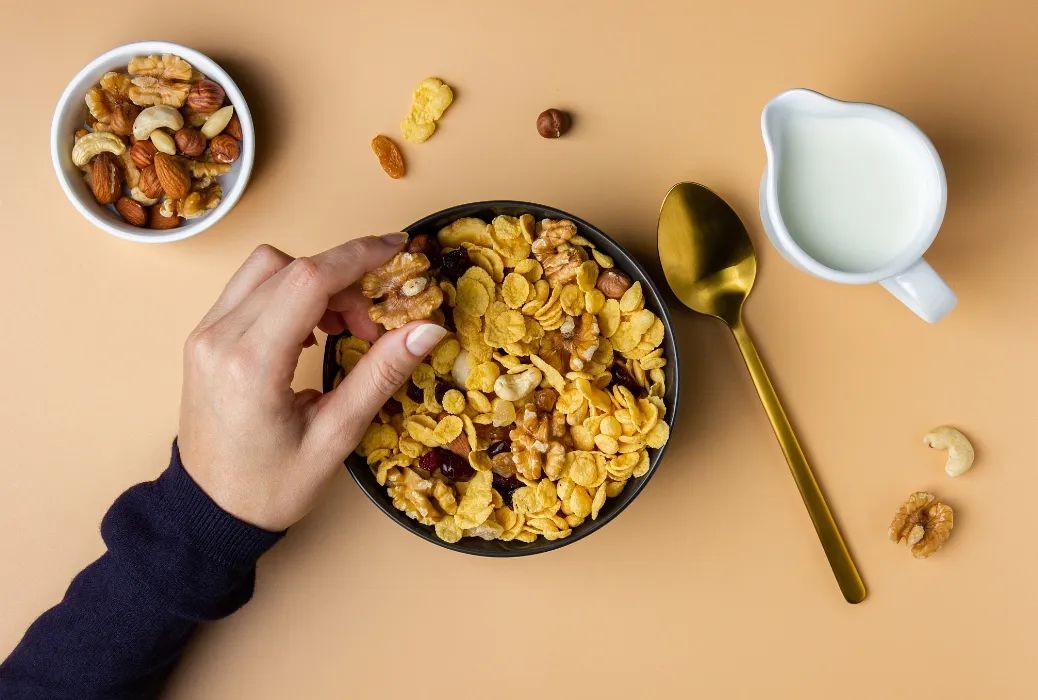
7. The total amount of soybeans and nuts eaten every day is about 35 grams.
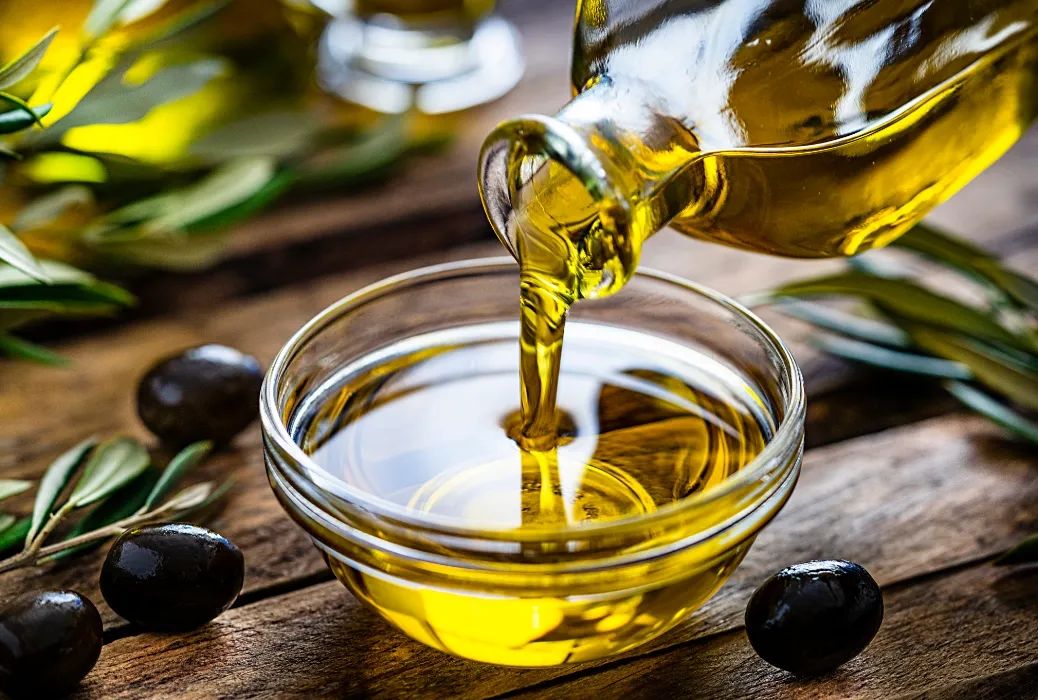
8. Adults should consume 25-30 grams of cooking oil and no more than 5 grams of salt per day.
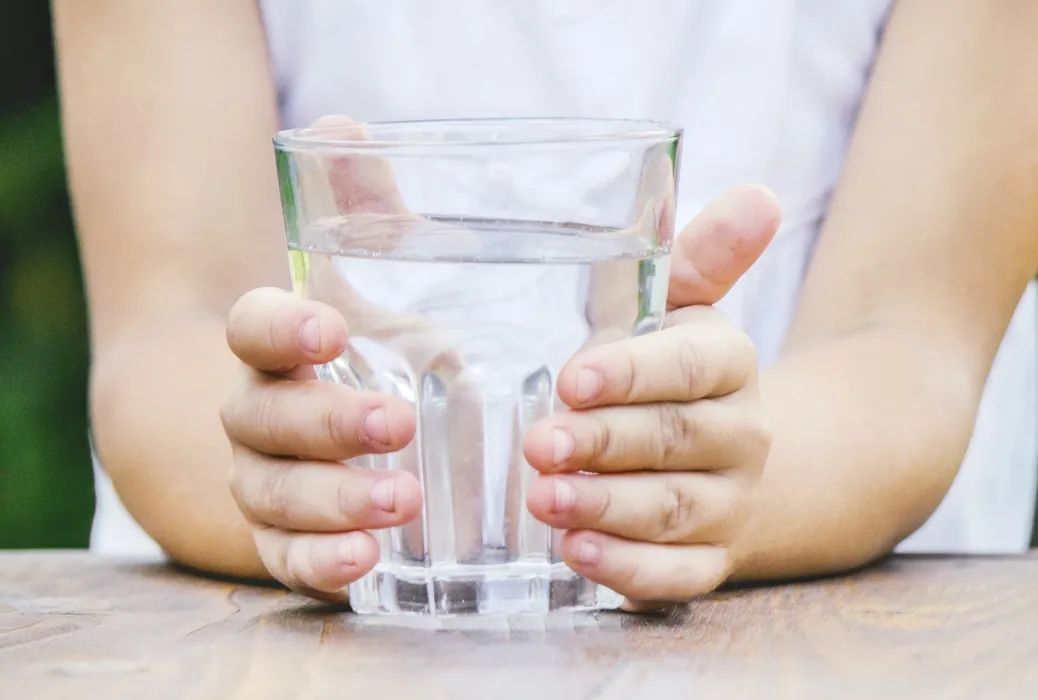
9. Adult women with low physical activity level are recommended to drink at least 1500 ml of water every day, and adult men should drink at least 1700 ml.
With reference to such a "Jiangnan diet" scheme, we don’t have to change our "China’s stomach" and just try the "Mediterranean diet" and "Deshu diet" ourselves, which can easily control our weight and prevent overweight and obesity, and a series of complications caused by it.
-Produced by the editorial department of "I wish you health" of Jiangsu Phoenix Science and Technology Publishing House-
Content planning/typesetting: Zhu Jingjing
Original title: "Listen to Health | 2023 China obesity map released! The "three fat provinces" are all in the north, so we still have to eat like southerners.
Read the original text